


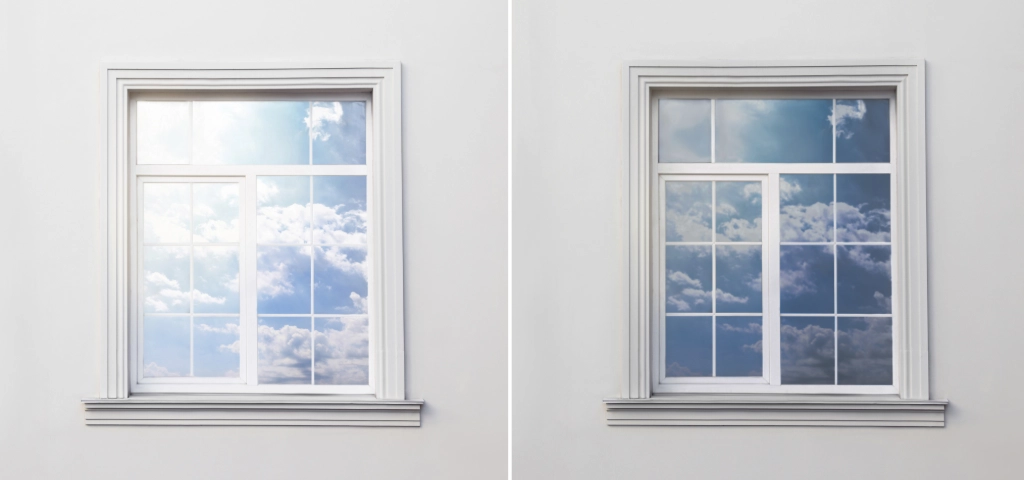


Golden sunlight pours through San Diego windows almost every day of the year, warming your space and helping frame the view. Too much sunlight can bring heat that overworks your air-conditioning (AC), light glares that disrupt visibility, and ultraviolet (UV) exposure that damages furniture and flooring over time.
Homeowners considering a renovation may ask, “Should I tint my home windows?” Modern window film, including advanced low-emissivity (low-E) options, offers more than a cosmetic upgrade. When applied correctly, it can improve aesthetics, protect your glass, and help preserve your window's warranty. In a climate where comfort, style, and protection all matter, understanding how tinting fits into your home’s long-term value, energy efficiency, and insurance considerations becomes essential before making the decision.
What Is Home Window Tinting and How Does It Work?
Home window tinting applies a thin, engineered film with a strong adhesive directly onto the glass. Each layer serves a distinct role, from filtering harmful UV rays to reflecting solar heat. The result is a cooler, more comfortable interior without sacrificing the natural light San Diego homeowners value in their windows.
The technology works through precise light and heat control. Metalized particles or ceramic particles within the film reflect and absorb targeted parts of the solar spectrum. Dyed layers soften brightness before it reaches your living space. This filtering helps stabilize indoor temperatures, lowers the strain on air conditioning, and protects furniture, floors, and artwork from fading.
In a climate with year-round sunshine, window tinting becomes both a comfort upgrade and a safeguard for your investment. Whether you are considering replacement windows, updating windows and doors during a renovation, or aiming to improve energy efficiency, quality window film can help manage long-term costs while adding a polished, modern look to your glass.
Pros of Tinting New Windows in San Diego
San Diego’s sunshine feels inviting until the heat and prying views creep in. Tinting your new windows solves these challenges while elevating comfort. Here’s how it can transform your home.
Energy Efficiency & Heat Reduction
Summer afternoons in San Diego can turn a bright living room into an overheated space that feels more like a greenhouse. Window tinting changes how sunlight interacts with residential windows by limiting heat transfer before penetrating the glass. Advanced, high-performance films made from materials like polyester or ceramic can lower indoor temperatures by several degrees during peak sun hours. That reduction eases the strain on your air conditioning, which helps control energy costs and extends the life of your system.
The difference often shows in places homeowners overlook. A west-facing bay window in the kitchen, a patio door, or even a skylight can flood a room with solar energy that fades furniture and overheats walls and flooring. Tinted glass helps preserve the design and comfort of these spaces while preventing damage to surfaces and skin from prolonged exposure. Over time, the added efficiency and protection can make a noticeable impact on your budget and your home's condition.
UV Protection

Harsh UV rays stream through untreated windows long before the heat becomes noticeable. Window tinting blocks up to 99 percent of that invisible damage, working like a layer of sunscreen for your home’s interior. Fabrics hold their vibrancy for years, hardwood floors keep their rich tones, and artwork avoids the slow fade that robs it of depth. This protection preserves the appearance and the value of the pieces you’ve chosen for your home.
UV protection also safeguards your health. Prolonged exposure to sunlight indoors can contribute to skin damage, especially in rooms with large, sun-facing windows. Tinting filters harmful rays at the glass so you can enjoy the light without closing curtains or sacrificing your view. Natural brightness still fills the space, but the hazards stay outside where they belong.
Privacy Enhancement
In many San Diego neighborhoods, oversized windows frame sweeping views while leaving interiors on full display. From the street, tinted glass obscures details inside, letting you see the coastline, garden, or skyline from within. The effect works through optical density: specialized particles in the tint control how light moves through the glass, making it harder for the outside human eye to focus inward during daylight hours.
In other words, a living room with floor-to-ceiling windows can stay open to the view without sacrificing privacy. A kitchen that faces a busy patio can feel secluded without pulling the blinds. In climates where outdoor living blends seamlessly with indoor spaces, this controlled visibility preserves both openness and personal comfort.
Glare Reduction
Sunlight reflecting off water in a backyard pool or bouncing off a neighbor’s white stucco wall can flood a room with piercing glare. This light scatter fundamentally changes how your eyes process contrast, making the light and details of your room harder to see. Window tinting solves the problem by filtering specific wavelengths that create glare. Films with ceramic or multi-layer polyester construction break up intense light before it reaches your eyes, allowing you to work at a computer, watch television, or read without strain.
Consider glare reduction for a home office positioned next to a bow window that faces west. Without tint, afternoon light washes out the screen, forcing you to close curtains and lose natural light. With the right film, you keep that light while softening its intensity, creating a space that’s both productive and comfortable.
Aesthetic Appeal
Tinted glass changes how a home presents itself before you even step inside. The uniform surface can smooth the patchwork of reflections that plain glass often produces, giving residential windows a polished look. In design terms, it’s similar to upgrading a wall from flat paint to a finish with subtle texture. Ultimately, the underlying structure stays the same, but the eye reads it as more refined.
Different films can complement various architectural styles. A bronze tint can add warmth to a Mediterranean-style home, while a neutral low-reflectivity film can modernize the appearance of a contemporary build. Even within the same property, you can choose varying tones to fit each room’s purpose. A south-facing bay window may benefit from a slightly darker tint treatment for light control, while the stained glass above a front door could use a a UV-protective transparent film to prevent fading without altering its color.
Safety & Security
When glass breaks, sharp shards can scatter across a room and cause serious injury. Safety-grade window films address that hazard by holding the fragments together after impact. Security also improves with certain films that increase the effort required to penetrate a window.
While they don’t make glass unbreakable, they slow attempts at forced entry by resisting shattering on the first hit. For homeowners in high-traffic areas or near commercial districts, that delay can be enough to deter an intruder. Generally, thicker polyester layers distribute impact energy across a wider area, preventing a single point from failing immediately.
Cons of Tinting New Windows in San Diego
Every home improvement choice involves trade-offs, even ones that seem perfectly reasonable at first glance. Knowing the small compromises with window film can help you plan and achieve the best outcome.
Reduced Natural Light
Tinting changes how daylight moves through glass. In a sun-drenched climate like San Diego, that can mean your favorite reading spot by the bay window feels a little dimmer during late afternoons. Lighter films or low-E coatings can soften heat without noticeably darkening a room, but homeowners who prize an abundance of natural light should test film samples before committing.
That subtle shift in brightness can also influence how a room feels over time. A kitchen with a skylight might lose some of the sparkle that makes morning coffee by the counter so inviting. In a home office, the warm, shifting patterns of sunlight across the wall could become softer, changing the mood of the space. For some homeowners, this creates the calm, glare-free atmosphere they prefer. For others, it means rethinking furniture placement or adding strategic mirrors to bounce light deeper into the room. Testing different films in the exact rooms you use most lets you experience these nuances before making a lasting choice.
Nighttime Visibility
Privacy films perform best when exterior light outshines interior light. Once the sun sets, that advantage flips. A living room with tinted glass and the lights on can still be visible from the patio or street. Pairing tint with curtains, frost patterns, or innovative glass technology creates a layered solution that balances privacy and visibility no matter the time of day.
Cost
Tinting is generally less expensive than window replacement, yet high-performance films like ceramic or bronze options still require a budget. Factors like window size, skylight access, and specialty shapes like bow or casement windows can raise installation costs. Homeowners should weigh the upfront price against long-term savings from reduced air conditioning use, protection from ultraviolet damage, and slower wear on flooring and furniture. Viewed over the years, the efficiency gains often outweigh the initial expense.
Types of Window Tint Films for Homes
Selecting the right window film starts with understanding how each option interacts with sunlight and heat. Every type offers a different balance of performance and aesthetics, so matching the film to your home’s needs is key.

- Dyed Film: Dyed film absorbs part of the sunlight to reduce glare and soften brightness. Homeowners often choose it for spaces that remain naturally cooler but still need softer light, such as a kitchen with indirect daylight from a skylight.
- Metalized Film: Metalized film contains microscopic metallic particles that reflect sunlight away from the glass. These materials can significantly reduce heat transfer. It can also create a subtle exterior reflection, making it useful for rooms where heat control outweighs the need for a completely neutral appearance.
- Ceramic Film: Ceramic film uses advanced non-metallic particles to block infrared heat and ultraviolet rays while maintaining clarity. It’s an excellent choice for rooms with expansive views where you want strong heat control without darkening the glass.
- Carbon Film: Carbon film delivers reliable insulation and maintains a deep, fade-resistant finish. Homeowners often choose it for design-driven renovations where glass appearance matters as much as performance. It works exceptionally well on patio doors or large modern residential windows.
- Decorative and Frosted Film: These films focus on style and privacy. They work well for bathroom windows, sidelights near entry doors, or interior glass partitions.
Alternatives to Tinting Your New Windows
Not every home needs the exact solution for heat or privacy. Factors like climate, window style, and how each room is used can suggest alternatives that work better than tinting.
- Low-E Coating: Homeowners planning a window replacement can choose glass with a low emissivity coating built in during manufacturing. This type of glazing improves efficiency without the need for an aftermarket film. It lowers summer heat gain while helping to retain warmth during cooler months.
- Interior Window Treatments: Roman blinds, cellular shades, and layered curtains bring a different level of light and privacy control. Cellular shades insulate by trapping air in their honeycomb structure, which can rival certain window films for efficiency. They suit bedrooms and living areas where light levels change throughout the day and flexibility matters more than a permanent tint.
- Architectural Shading: Awnings, pergolas, and extended roof overhangs prevent solar energy from reaching the glass in the first place. This solution works well for patio doors and large casement windows with heavy direct sun exposure.
- Smart Glass: Smart glass transitions between clear, tinted, or frosted states with the push of a button. This control works well for bathroom skylights or home offices that struggle with glare at certain times of day.
Add Privacy and Style to Your Home with Tinted Windows from US Window & Door
With the right window tint, the atmosphere inside your home changes in a way you notice immediately. As glare softens and heat stays outside, you still enjoy an open view that feels uninterrupted. Over time, privacy begins to feel natural, and the design of your windows gains a lasting, elevated finish. That’s where US Window & Door comes in, helping you select tinted windows that work with your style while also matching your climate. If you’re ready to create a home that stays comfortable and looks its best every season, contact US Window & Door to explore the possibilities.
.jpg)