


The average San Diego homeowner spends weeks browsing windows and doors online before making a decision. They compare ratings, read reviews, study photos in different lighting, and build spreadsheets. Then they see the product in person and find that something has changed entirely. What looked right on a screen reveals itself differently when you stand in front of it.
Visiting a window and door showroom before buying gives you information that no amount of online research can provide. You learn how materials feel, how light moves through glass, how frames proportionally match your home, and how different styles perform in San Diego's specific climate. In this guide, we'll cover what you discover in a showroom, when to schedule your visit, and how that visit shapes your final decision.
What You Cannot Learn Online About Windows and Doors
Online research tells you which products exist and what they cost. Standing in front of them tells you what they actually look and feel like, and those two things often lead to different conclusions.
When you research windows on a manufacturer's website, you're looking at professional photography taken under controlled lighting. Colors appear saturated, glass looks crystal clear, and frames appear perfectly proportioned against idealized backdrops. The light in your home rarely cooperates the same way. A north-facing window in a San Diego home experiences entirely different conditions than a south-facing one, and the same product can look warm and inviting in one exposure and flat in another.
Frame Materials and Hardware
.jpg)
Feeling the frame materials in person matters more than most homeowners expect going in. When you run your hand along a vinyl or fiberglass frame at the Milgard showroom, you pick up on details that photographs cannot convey: the weight of a sliding sash, the smoothness of the operation, and whether the hardware feels intuitive in your hand. You also notice how a frame profile sits relative to wall depth, how muntins align from different viewing distances, and whether the glass thickness matches what you had pictured. These sensory details stay with you through the decision process in a way that product listings never do.
How Glass Actually Transmits Light
Low-E glass is a common recommendation for San Diego homes because of the UV exposure and heat gain from west and south-facing windows. Reading a specification sheet tells you very little about what Low-E glass actually does to the quality of light entering your space, though. Some homeowners expect a neutral tone and get it. Others are surprised to find a subtle warmth they hadn't anticipated. Seeing that light behavior firsthand, before you commit to a glass selection, removes the guesswork that spec sheets leave behind.
Frame Colors Under Natural Light
Frame colors behave differently under natural light than they do on a monitor. What reads as bright white online might look cream or ivory against your trim in person. A gray that appears cool on screen could read warmer when you see it beside an actual wall. Standing in front of multiple color samples simultaneously, rather than toggling between photos on a browser tab, helps you make confident choices about what will actually complement your existing finishes, exterior and interior alike.
The Difference Between Screens and Standing in Front of a Product
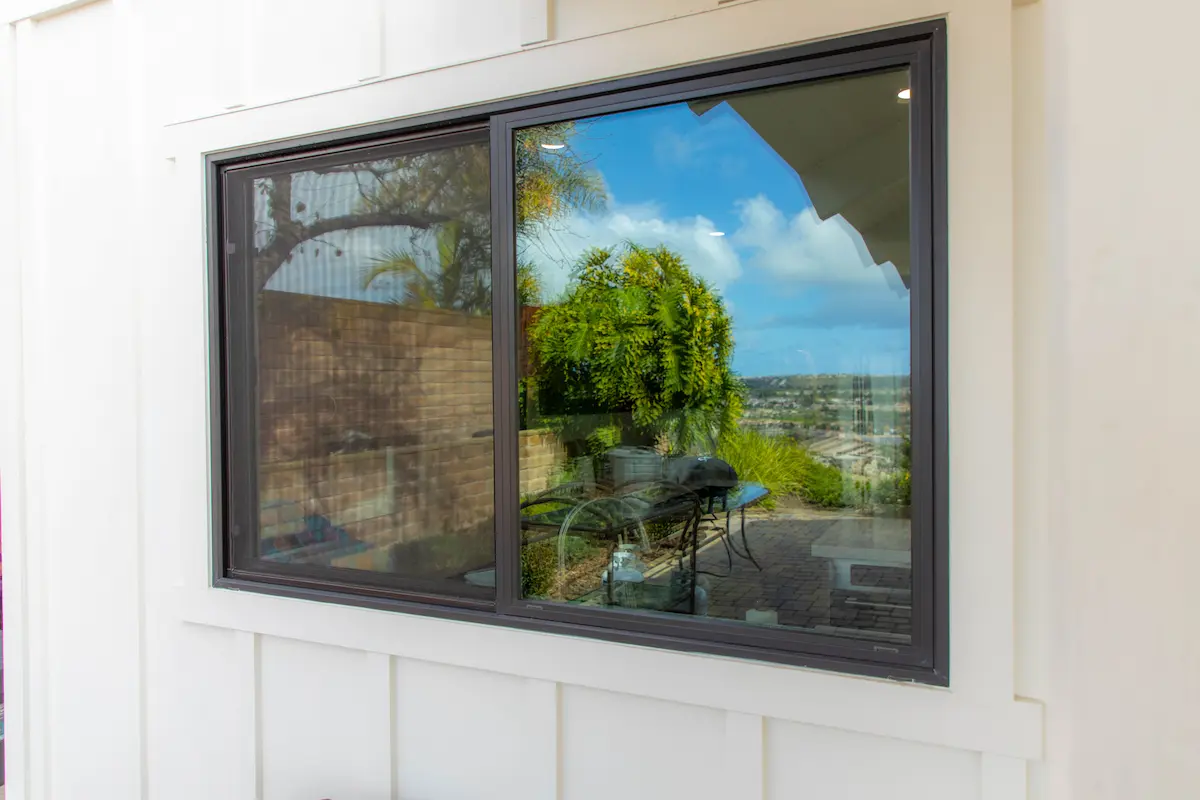
Online research relies on your imagination to fill the gaps. A product photo shows one angle in one lighting condition, and you mentally rotate it, picture it in your space, and project how it will perform. That exercise has genuine value, but it introduces assumptions that only standing in front of the product can correct.
Viewing Proportions at Full Scale
Proportions reveal themselves in person in ways that flat images don't prepare you for. A door opening that looks spacious in a photo might feel wider or narrower when you walk past an actual installation. Window muntins, the grids that divide panes, appear differently at various distances from the product. Some homeowners discover at the showroom that they prefer a cleaner sight line, while others feel more drawn to traditional grids than they expected. Making that choice from multiple viewpoints, rather than a single cropped photo, leads to a more confident final selection.
How Finishes Behave in Light
Finishes show their full character when you see them under both natural and showroom lighting. A frame that reads as matte gray on your monitor reveals texture and depth when you see it physically. Glossy finishes reflect light in ways that photographs flatten. Subtle grain patterns in grain-matched products become visible only when you're standing nearby. These visual qualities influence how a product looks in your home over the years of daily life, and they're worth understanding before you order.
Sound Performance and Operational Feel
A showroom that demonstrates operational products gives you information that no listing provides. You hear how solidly a window closes, feel how smooth the sash operation is, and notice how quiet a well-sealed frame gets. These performance qualities matter in daily life, and you can only experience them by being there in person.
The showroom setting also lets you see how different products work together visually. If you're replacing both windows and doors, seeing them alongside each other helps you understand the proportional relationships between frames and openings. A patio door paired with new windows creates a visual continuity that is genuinely difficult to imagine from separate product pages.
San Diego-Specific Considerations You Discover in a Showroom
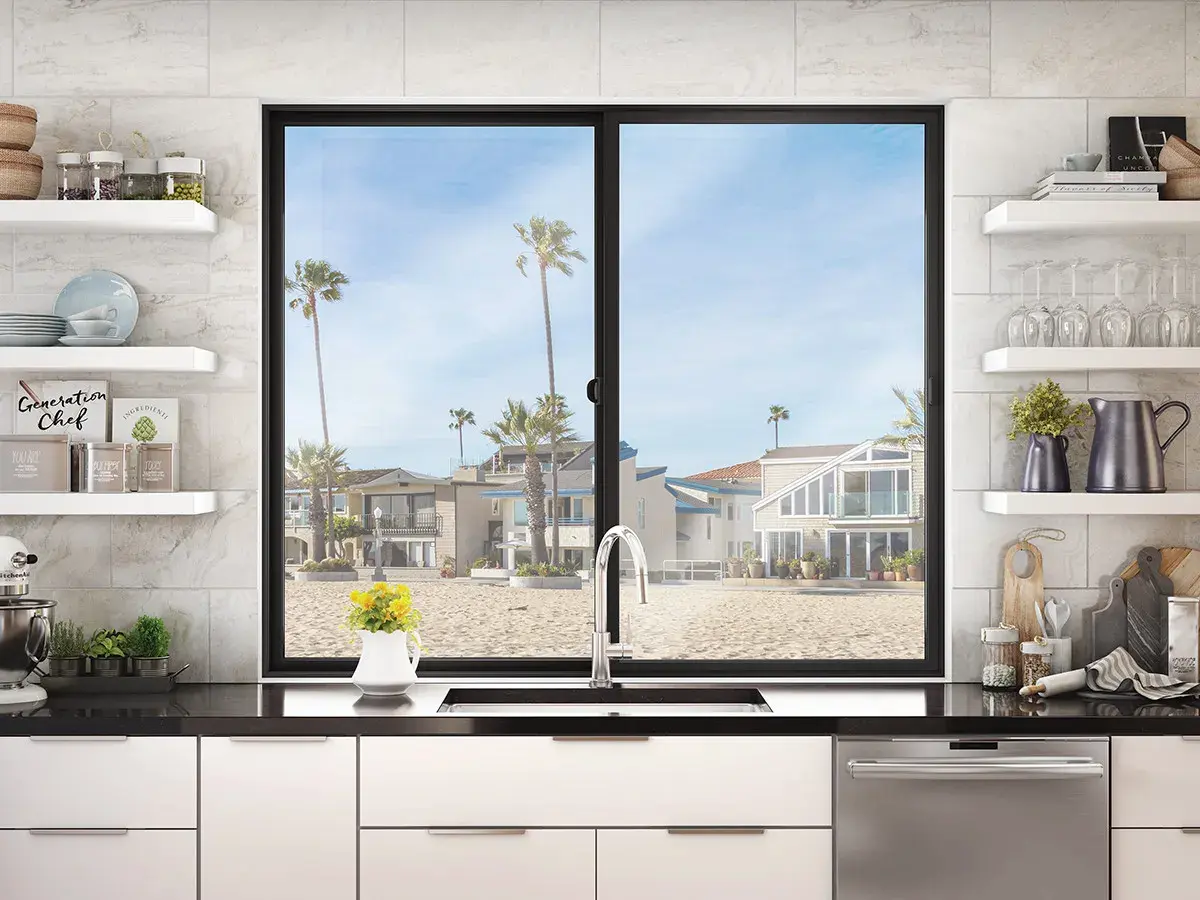
San Diego's climate presents specific challenges that become much more concrete when you're examining products alongside someone who installs them here. In addition, west and south-facing exposures take on intense UV radiation throughout the year. Coastal neighborhoods deal with salt air that degrades traditional materials faster than most homeowners realize until they've already replaced something twice.
Coastal Salt Air and Material Performance
Homeowners in coastal neighborhoods benefit significantly from seeing how different materials hold up near saltwater. UV-resistant coatings, marine-grade hardware, and specialized glass all become more meaningful when you're looking at physical samples and asking specific questions. A knowledgeable consultant at the Milgard showroom can explain why certain products perform better in Oceanside or Pacific Beach than they do in inland neighborhoods, and what you're paying for when you upgrade to coastal-rated hardware.
The Marine Layer and Condensation
The marine layer that settles over coastal San Diego in the morning affects condensation patterns on windows in ways that vary from home to home. Inside-pane fogging is a concern in some coastal properties, and worth raising before you select a window rather than after you've installed it. A showroom conversation gives you the opportunity to ask about condensation performance, frame materials that handle coastal moisture well, and glass options that help reduce the morning fog effect before it becomes a problem.
Sun Orientation and Glass Selection
Light and heat penetration matter differently depending on how your home faces and which spaces you're trying to keep comfortable. South-facing windows in San Diego carry different priorities than north-facing ones when it comes to solar heat gain, UV control, and glare management. A consultant who works with San Diego homes regularly can walk you through those tradeoffs in person, pointing at actual glass samples, rather than sending you to a spec sheet to compare numbers on your own.
When to Visit a Showroom in Your Buying Process
The timing of your showroom visit matters. Going too early can leave you overwhelmed before you've narrowed your focus. Waiting until you've already placed an order means you lose the opportunity to refine your thinking while it still affects what you buy.
Most homeowners get the most value from a visit after they've identified their budget range and narrowed their options, but before they've finalized their selections. At that stage, the visit is targeted rather than open-ended. You're not trying to absorb every product on the floor. You're examining the specific options you've been considering and confirming or adjusting your preferences based on what you see and feel in person.
Some homeowners find it useful to visit earlier in the process, when they're still figuring out what's possible. Going in without a shortlist lets you develop a baseline understanding of different product categories, frame materials, and glass options before you start filtering online. That context makes your research more focused and your eventual selections more informed.
A visit becomes especially valuable when you're making decisions about glass type, frame color, or specialty configurations like multi-slide or folding doors. These choices carry enough nuance that seeing samples in person clarifies preferences that online research leaves ambiguous. You might arrive expecting to want traditional muntins and leave preferring a clean contemporary profile. You might feel certain about a color choice until you see it next to the alternatives, in natural light, against a physical wall. If you're replacing windows and doors across multiple rooms or planning a larger renovation, visiting the Milgard showroom before finalizing your order protects you from the kind of surprises that cost money to correct.
What a San Diego Window and Door Showroom Visit Teaches You Before You Buy
Walking through a window and door showroom in San Diego moves your decision from abstract to concrete. You're no longer projecting how a product will perform. You're observing it under conditions that reveal its full character.
Many homeowners find that a showroom visit confirms what their research already pointed toward. They've made good choices, and seeing the products in person validates their thinking. Others discover that their online preferences need adjustment. A color that looked right in photos feels different when you hold a physical sample against natural light. A style that seemed like a match for their home's architecture looks different at full scale. Either outcome leads to a better final decision than buying from a screen alone. Specialists at the Milgard showroom understand San Diego's architectural styles and how different products work within them, from mid-century modern proportions to Craftsman profiles to contemporary coastal builds. You ask questions that emerge from standing in front of products, discuss installation considerations specific to your home's age or wall construction, and leave with expert context that shapes your final selection in ways that independent research rarely provides on its own.
US Window & Door Showroom Experience and Your Buying Confidence

At US Window & Door, we’ve spent over three decades helping San Diego homeowners make window and door decisions they feel confident about for years afterward. As one of San Diego's top Milgard dealers, our team brings expertise drawn from decades of installations across San Diego's full range of neighborhoods, climates, and home styles. When you visit the Milgard showroom, you're not browsing samples in isolation. You're talking with people who understand how these products perform in coastal bungalows and inland homes alike, and who can connect what you're seeing on the floor to the specific conditions your home presents.
A visit also matters because a good advisor tells you when a product isn't the right fit for your situation. Not every window is appropriate for every exposure, and not every door configuration works for every opening. At US Window & Door, we assess your home, your climate conditions, and your architectural style to help you choose products that perform well and look right together. If a particular product isn't the best answer for your project, we’ll tell you, because helping you make the right choice is what builds the kind of trust that lasts well beyond the installation. Schedule your free in-home estimate with US Window & Door today and take the guesswork out of your next window or door decision.
.jpg)