What Oceanside Homeowners Should Know Before Replacing Windows

What Oceanside Homeowners Should Know Before Replacing Windows

May 25, 2026
By:
Martin Whitmore, President of US Window & Door

There is a reason Oceanside homeowners notice their windows aging faster than their inland neighbors do. The coastal environment here is genuinely beautiful and genuinely demanding, with salt air and reflected UV pressing into every seam and surface your windows have in ways that most standard products were never designed to withstand. A window that holds up perfectly in a protected inland neighborhood can show real wear within a few years of facing the Pacific, and a material that works beautifully on a shaded north wall may struggle on a sun-drenched west exposure. Understanding what makes your home's specific location, orientation, and architecture unique is the first step toward choosing replacement windows that perform as well as they look and look exactly as good as a coastal home deserves.

How the Oceanside Coastal Environment Affects Your Windows
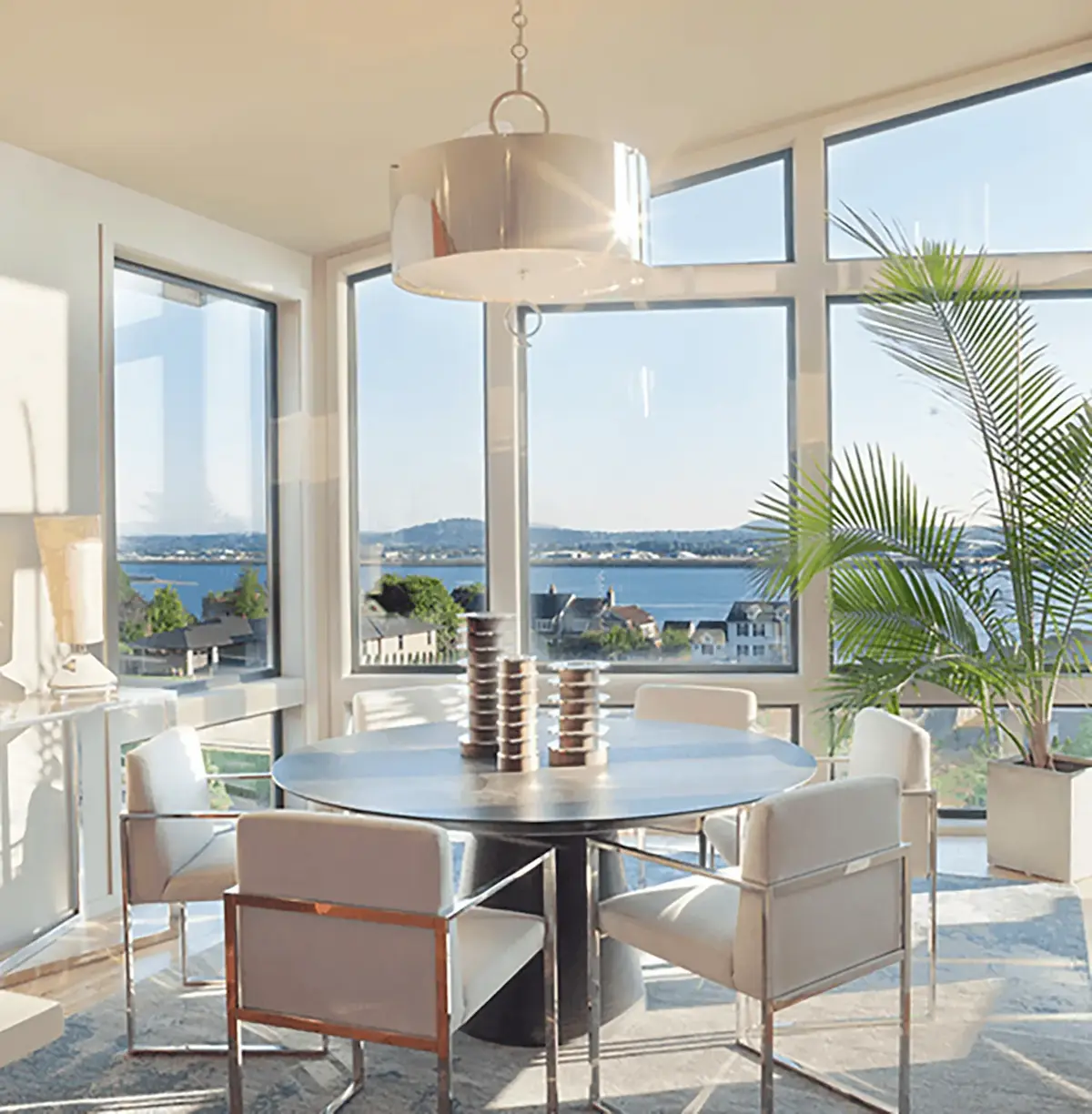
Milgard casement window with oceanside coastal view

Living close to the Pacific is one of those privileges that never really gets old, and the way morning light moves through a coastal home is something you simply cannot replicate anywhere else. That same environment, though, puts consistent and compounding pressure on your home's exterior over time, and your windows absorb more of that impact than almost anything else on the outside of your house.

How Salt Air Damages Window Frames Over Time

Prevailing winds push ocean air inland, and the salt it carries settles on every surface it touches. Metal frames corrode, vinyl loses its luster, and wood deteriorates without proper protection. Even fiberglass and composite materials degrade faster in coastal zones than they do inland. The damage tends to build gradually, which makes it easy to overlook until it becomes difficult to ignore.

The Marine Layer, Morning Moisture, and What It Means for Your Glass

The marine layer is the signature weather pattern of Oceanside mornings. A thick layer of low clouds settles over the coast, blocks sunlight, and traps moisture before lifting and burning off by mid-morning. This cycle repeats daily through much of the year, and it produces condensation on interior glass surfaces that many homeowners mistake for a performance problem.

It is not a defect. Condensation forms because the glass is cold and the interior air is warmer and more humid, and a high-performance window actually shows condensation more readily because it insulates so well that the glass surface stays cold longer. Knowing this distinction saves a lot of unnecessary concern over a completely normal coastal pattern.

UV Radiation Intensity Along the Oceanside Coast

The UV radiation in Oceanside is amplified compared to inland areas because the ocean reflects sunlight and the marine layer scatters that light in a way that increases exposure throughout the day. South and west-facing windows bear the heaviest load, absorbing intense radiation that fades interior furnishings, weakens vinyl, and breaks down the compounds in window frames. Over time, that accumulated exposure shows up as discoloration, frame stiffness, and reduced operational smoothness.

Why Your Home's Architecture Matters When Choosing Oceanside Replacement Windows

Milgard windows on San Diego Mediterranean architecture home exterior at night

Oceanside developed in distinct waves of construction, and your home's age and style have a great deal to do with which Oceanside replacement windows will serve it best. Working with products and profiles that respect your home's original character produces results that look intentional rather than retrofitted.

Mid-Century Homes

Mid-century homes line much of the Oceanside coast and rely on their windows as an architectural statement. These houses feature extensive glazing, horizontal sight lines, and minimal wall depth, which means a clunky frame profile or oversized muntins can change the visual identity of the entire house. Contemporary frame styles that maintain slim profiles while delivering modern coastal performance are the natural fit here. The Trinsic Series from Milgard offers that combination well, bringing durability and minimal visual bulk to a home type that demands both.

Newer Tract Homes

Newer tract homes in Oceanside were typically built with standard windows that age predictably under coastal conditions. Replacement here is more straightforward because the home's architecture does not depend on distinctive window styling. The focus becomes upgrading to better performance and improved durability rather than reimagining the opening itself. These homes accommodate a wider range of product choices without architectural compromise, which gives you more flexibility to prioritize coastal-specific features.

Custom Coastal Homes

Custom coastal homes often feature specialized window sizes and configurations that resist easy standardization. Replacement may require custom fabrication or creative approaches to fitting products into non-standard openings. The details matter more here, and working with specialists who understand the specific demands of Oceanside replacement windows makes the difference between a result that feels purpose-built and one that feels like a compromise.

How to Evaluate Your Current Windows Before Replacing Them

Before committing to replacing every window in your home, it is worth taking careful stock of which ones actually need it. Salt air and UV damage do not affect all exposures equally, and south and west-facing windows will always deteriorate faster than those on the north and east sides of the house.

Signs Your Windows Are Wearing Down From Coastal Damage

Frame condition tells you a great deal about where your windows actually stand. These are the four signs that replacement has moved from something to plan for to something to prioritize now.

Chalky or powdery vinyl buildup. White powdering on vinyl frames is a direct sign of UV degradation. Once vinyl reaches this stage, it has lost the structural and aesthetic integrity it needs to perform well on the coast.

Corrosion spots on metal frames. Frames that once looked bright but now show visible rust or oxidation have been compromised by salt air. Surface corrosion spreads over time and accelerates the failure of hardware and seals nearby.

Soft spots or peeling paint on wood frames. Wood frames with soft areas or paint separating in multiple places signal moisture infiltration that has already reached the structure. This is not a cosmetic issue.

Windows that stick, drag, or allow drafts. Any window that resists opening or closing smoothly, or that lets air through near the frame, has lost its seal. That gap is actively working against your home's energy efficiency every day.

Documenting which windows show these signs and which remain sound gives you a clear, practical foundation for a phased replacement plan built around your actual priorities rather than a blanket schedule.

Why Coastal Homes Need to Replace Windows Sooner Than Inland Homes

A window that holds up comfortably after ten years inland may be noticeably degraded after eight years of coastal exposure in Oceanside. The constant presence of salt in the air accelerates aging in ways that simply do not occur further inland, which means waiting too long invites operational problems and efficiency losses that compound over time.

It is also worth coordinating replacement timing with other exterior projects you have planned. If painting, stucco repair, or other wall-related work is already on the calendar, folding Oceanside replacement windows into that project reduces overall disruption and often lowers the combined cost in a meaningful way.

Coastal-Specific Window Features Every Oceanside Homeowner Needs to Consider
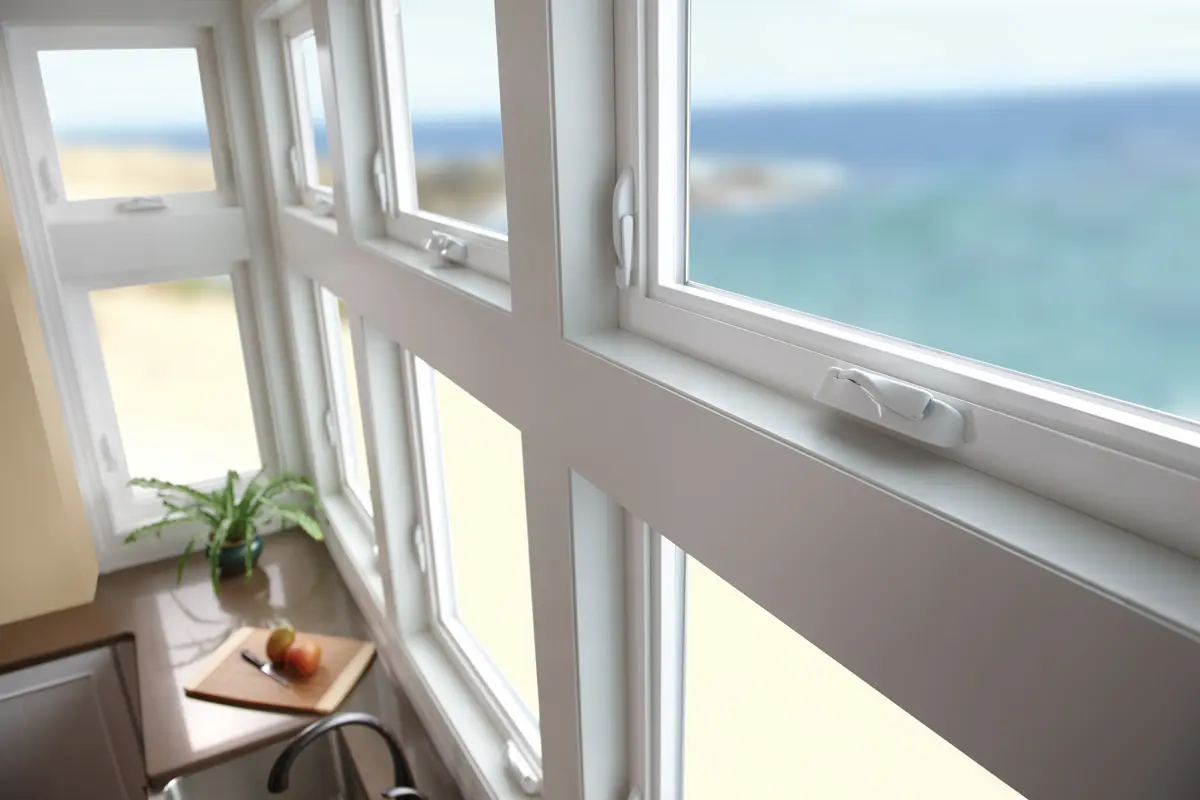
White casement windows with lock hardware in coastal beach home

Choosing the right products for a coastal home means looking well beyond basic performance ratings. The details that separate a good window from a great one matter far more in Oceanside than they do in most other markets.

Marine-Grade Hardware

Marine-grade hardware resists corrosion far better than standard options. Stainless steel and coated aluminum hold up to salt air exposure in a way that plated finishes simply cannot sustain over time. Hardware failure tends to make windows inoperable years before frame degradation becomes visible, and it remains one of the most commonly overlooked details when homeowners are evaluating Oceanside replacement windows.

Glass Coatings Worth the Investment

Low-E coatings control heat gain from intense UV radiation while keeping the glass appearance clear and clean. Spectrally selective coatings filter UV light more aggressively, making them a strong option for homes with maximum southern or western exposure. Anti-reflective coatings address the glare that comes from water reflection throughout the day. None of these come standard on most windows, but the conditions in Oceanside build a compelling case for each of them.

Frame Materials Designed for Salt Air

Vinyl frames offer solid cost efficiency and low maintenance, but Oceanside's salt air specifically demands grade-level vinyl engineered for coastal conditions rather than standard residential use. The Ultra Series from Milgard provides marine-grade vinyl durability built for saltwater exposure. Fiberglass and composite frames resist corrosion and UV damage better than standard vinyl and maintain their structural integrity through conditions that would compromise lesser materials over time. The added investment tends to pay for itself in longevity and reduced maintenance.

One detail many homeowners overlook is the value of pairing cellular shades or interior blinds with new windows. The air space they create between the glass and your living area reduces condensation visibility and helps moisture move past the thermal break without accumulating on the surface.

When to Take a Phased Approach to Oceanside Window Replacement

Replacing all windows at once delivers visual consistency and simplifies the scheduling process. A phased approach, though, aligns better with the budget realities most homeowners are working within, and the coastal environment in Oceanside actually gives you a clear and logical priority order to follow.

Start with your south and west-facing windows. These exposures receive the maximum combination of UV radiation and salt spray impact, which means they degrade the fastest and produce the most noticeable improvement when replaced. Interior rooms on these exposures also see the most meaningful gains in energy efficiency right away.

Follow with north and east-facing windows in the second or third year. These deteriorate more slowly and can wait without meaningful risk. Windows in protected locations such as covered porches or sides of the house shielded from prevailing winds often maintain their condition longest and belong at the end of any phased plan. Reaching out to our team for a professional evaluation can help you sequence your Oceanside replacement windows project in the order that makes the most sense for your specific home.

How US Window & Door Helps Oceanside Homeowners Choose the Right Windows
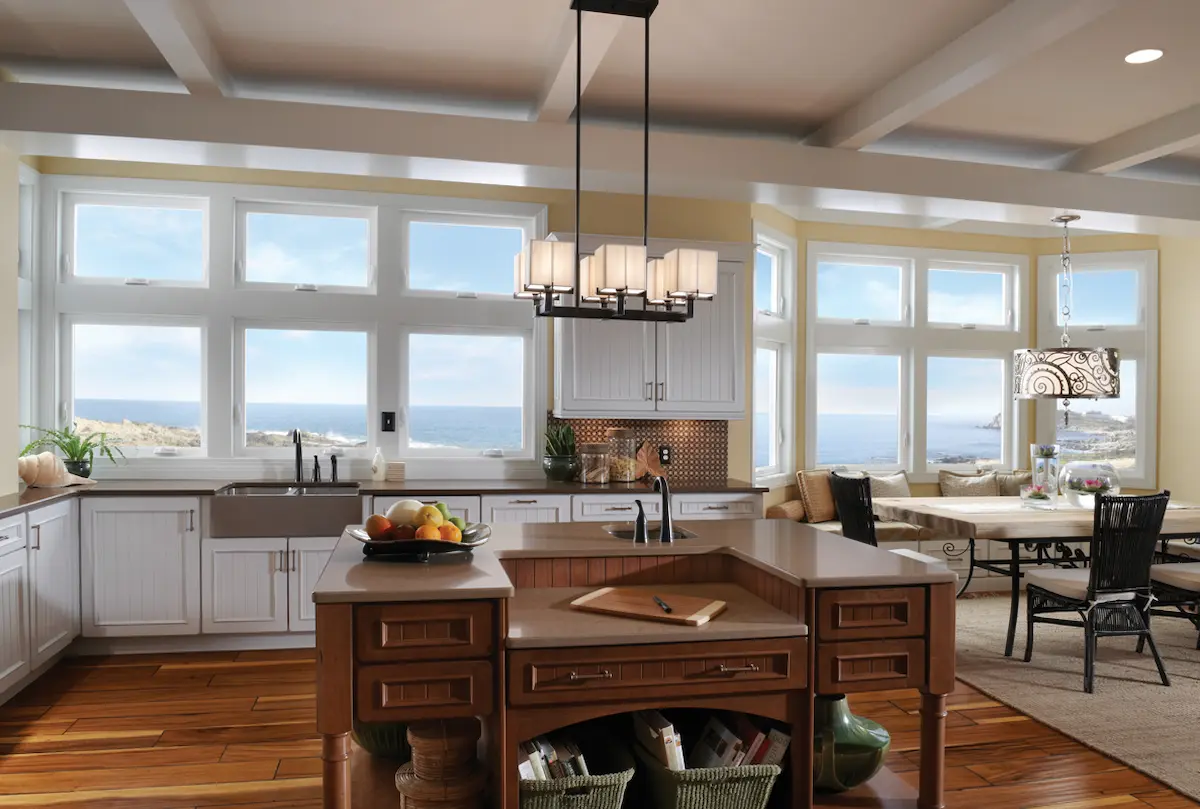
Milgard Tuscany windows in coastal kitchen with oceanside view

At US Window & Door, we understand that Oceanside is not just another San Diego neighborhood. The marine air, the persistent salt spray, and the UV intensity that comes with a coastal address create conditions that require genuine expertise rather than a generic product recommendation. Our team brings three decades of San Diego experience to every evaluation, and we assess your home's age, architectural style, and individual exposures before we ever suggest a product. You will hear a recommendation built around your home and your situation, not a one-size-fits-all solution that ignores what makes your property unique.

If you are ready to find out what the right Oceanside replacement windows can do for your home, we would love to start with a free in-home estimate. Our team will walk your property, evaluate what you are working with, and give you a clear picture of exactly what is possible. Schedule yours with US Window & Door today.

There is a reason Oceanside homeowners notice their windows aging faster than their inland neighbors do. The coastal environment here is genuinely beautiful and genuinely demanding, with salt air and reflected UV pressing into every seam and surface your windows have in ways that most standard products were never designed to withstand. A window that holds up perfectly in a protected inland neighborhood can show real wear within a few years of facing the Pacific, and a material that works beautifully on a shaded north wall may struggle on a sun-drenched west exposure. Understanding what makes your home's specific location, orientation, and architecture unique is the first step toward choosing replacement windows that perform as well as they look and look exactly as good as a coastal home deserves.

How the Oceanside Coastal Environment Affects Your Windows

Milgard casement window with oceanside coastal view

Living close to the Pacific is one of those privileges that never really gets old, and the way morning light moves through a coastal home is something you simply cannot replicate anywhere else. That same environment, though, puts consistent and compounding pressure on your home's exterior over time, and your windows absorb more of that impact than almost anything else on the outside of your house.

How Salt Air Damages Window Frames Over Time

Prevailing winds push ocean air inland, and the salt it carries settles on every surface it touches. Metal frames corrode, vinyl loses its luster, and wood deteriorates without proper protection. Even fiberglass and composite materials degrade faster in coastal zones than they do inland. The damage tends to build gradually, which makes it easy to overlook until it becomes difficult to ignore.

The Marine Layer, Morning Moisture, and What It Means for Your Glass

The marine layer is the signature weather pattern of Oceanside mornings. A thick layer of low clouds settles over the coast, blocks sunlight, and traps moisture before lifting and burning off by mid-morning. This cycle repeats daily through much of the year, and it produces condensation on interior glass surfaces that many homeowners mistake for a performance problem.

It is not a defect. Condensation forms because the glass is cold and the interior air is warmer and more humid, and a high-performance window actually shows condensation more readily because it insulates so well that the glass surface stays cold longer. Knowing this distinction saves a lot of unnecessary concern over a completely normal coastal pattern.

UV Radiation Intensity Along the Oceanside Coast

The UV radiation in Oceanside is amplified compared to inland areas because the ocean reflects sunlight and the marine layer scatters that light in a way that increases exposure throughout the day. South and west-facing windows bear the heaviest load, absorbing intense radiation that fades interior furnishings, weakens vinyl, and breaks down the compounds in window frames. Over time, that accumulated exposure shows up as discoloration, frame stiffness, and reduced operational smoothness.

Why Your Home's Architecture Matters When Choosing Oceanside Replacement Windows

Milgard windows on San Diego Mediterranean architecture home exterior at night

Oceanside developed in distinct waves of construction, and your home's age and style have a great deal to do with which Oceanside replacement windows will serve it best. Working with products and profiles that respect your home's original character produces results that look intentional rather than retrofitted.

Mid-Century Homes

Mid-century homes line much of the Oceanside coast and rely on their windows as an architectural statement. These houses feature extensive glazing, horizontal sight lines, and minimal wall depth, which means a clunky frame profile or oversized muntins can change the visual identity of the entire house. Contemporary frame styles that maintain slim profiles while delivering modern coastal performance are the natural fit here. The Trinsic Series from Milgard offers that combination well, bringing durability and minimal visual bulk to a home type that demands both.

Newer Tract Homes

Newer tract homes in Oceanside were typically built with standard windows that age predictably under coastal conditions. Replacement here is more straightforward because the home's architecture does not depend on distinctive window styling. The focus becomes upgrading to better performance and improved durability rather than reimagining the opening itself. These homes accommodate a wider range of product choices without architectural compromise, which gives you more flexibility to prioritize coastal-specific features.

Custom Coastal Homes

Custom coastal homes often feature specialized window sizes and configurations that resist easy standardization. Replacement may require custom fabrication or creative approaches to fitting products into non-standard openings. The details matter more here, and working with specialists who understand the specific demands of Oceanside replacement windows makes the difference between a result that feels purpose-built and one that feels like a compromise.

How to Evaluate Your Current Windows Before Replacing Them

Before committing to replacing every window in your home, it is worth taking careful stock of which ones actually need it. Salt air and UV damage do not affect all exposures equally, and south and west-facing windows will always deteriorate faster than those on the north and east sides of the house.

Signs Your Windows Are Wearing Down From Coastal Damage

Frame condition tells you a great deal about where your windows actually stand. These are the four signs that replacement has moved from something to plan for to something to prioritize now.

Chalky or powdery vinyl buildup. White powdering on vinyl frames is a direct sign of UV degradation. Once vinyl reaches this stage, it has lost the structural and aesthetic integrity it needs to perform well on the coast.

Corrosion spots on metal frames. Frames that once looked bright but now show visible rust or oxidation have been compromised by salt air. Surface corrosion spreads over time and accelerates the failure of hardware and seals nearby.

Soft spots or peeling paint on wood frames. Wood frames with soft areas or paint separating in multiple places signal moisture infiltration that has already reached the structure. This is not a cosmetic issue.

Windows that stick, drag, or allow drafts. Any window that resists opening or closing smoothly, or that lets air through near the frame, has lost its seal. That gap is actively working against your home's energy efficiency every day.

Documenting which windows show these signs and which remain sound gives you a clear, practical foundation for a phased replacement plan built around your actual priorities rather than a blanket schedule.

Why Coastal Homes Need to Replace Windows Sooner Than Inland Homes

A window that holds up comfortably after ten years inland may be noticeably degraded after eight years of coastal exposure in Oceanside. The constant presence of salt in the air accelerates aging in ways that simply do not occur further inland, which means waiting too long invites operational problems and efficiency losses that compound over time.

It is also worth coordinating replacement timing with other exterior projects you have planned. If painting, stucco repair, or other wall-related work is already on the calendar, folding Oceanside replacement windows into that project reduces overall disruption and often lowers the combined cost in a meaningful way.

Coastal-Specific Window Features Every Oceanside Homeowner Needs to Consider

White casement windows with lock hardware in coastal beach home

Choosing the right products for a coastal home means looking well beyond basic performance ratings. The details that separate a good window from a great one matter far more in Oceanside than they do in most other markets.

Marine-Grade Hardware

Marine-grade hardware resists corrosion far better than standard options. Stainless steel and coated aluminum hold up to salt air exposure in a way that plated finishes simply cannot sustain over time. Hardware failure tends to make windows inoperable years before frame degradation becomes visible, and it remains one of the most commonly overlooked details when homeowners are evaluating Oceanside replacement windows.

Glass Coatings Worth the Investment

Low-E coatings control heat gain from intense UV radiation while keeping the glass appearance clear and clean. Spectrally selective coatings filter UV light more aggressively, making them a strong option for homes with maximum southern or western exposure. Anti-reflective coatings address the glare that comes from water reflection throughout the day. None of these come standard on most windows, but the conditions in Oceanside build a compelling case for each of them.

Frame Materials Designed for Salt Air

Vinyl frames offer solid cost efficiency and low maintenance, but Oceanside's salt air specifically demands grade-level vinyl engineered for coastal conditions rather than standard residential use. The Ultra Series from Milgard provides marine-grade vinyl durability built for saltwater exposure. Fiberglass and composite frames resist corrosion and UV damage better than standard vinyl and maintain their structural integrity through conditions that would compromise lesser materials over time. The added investment tends to pay for itself in longevity and reduced maintenance.

One detail many homeowners overlook is the value of pairing cellular shades or interior blinds with new windows. The air space they create between the glass and your living area reduces condensation visibility and helps moisture move past the thermal break without accumulating on the surface.

When to Take a Phased Approach to Oceanside Window Replacement

Replacing all windows at once delivers visual consistency and simplifies the scheduling process. A phased approach, though, aligns better with the budget realities most homeowners are working within, and the coastal environment in Oceanside actually gives you a clear and logical priority order to follow.

Start with your south and west-facing windows. These exposures receive the maximum combination of UV radiation and salt spray impact, which means they degrade the fastest and produce the most noticeable improvement when replaced. Interior rooms on these exposures also see the most meaningful gains in energy efficiency right away.

Follow with north and east-facing windows in the second or third year. These deteriorate more slowly and can wait without meaningful risk. Windows in protected locations such as covered porches or sides of the house shielded from prevailing winds often maintain their condition longest and belong at the end of any phased plan. Reaching out to our team for a professional evaluation can help you sequence your Oceanside replacement windows project in the order that makes the most sense for your specific home.

How US Window & Door Helps Oceanside Homeowners Choose the Right Windows

Milgard Tuscany windows in coastal kitchen with oceanside view

At US Window & Door, we understand that Oceanside is not just another San Diego neighborhood. The marine air, the persistent salt spray, and the UV intensity that comes with a coastal address create conditions that require genuine expertise rather than a generic product recommendation. Our team brings three decades of San Diego experience to every evaluation, and we assess your home's age, architectural style, and individual exposures before we ever suggest a product. You will hear a recommendation built around your home and your situation, not a one-size-fits-all solution that ignores what makes your property unique.

If you are ready to find out what the right Oceanside replacement windows can do for your home, we would love to start with a free in-home estimate. Our team will walk your property, evaluate what you are working with, and give you a clear picture of exactly what is possible. Schedule yours with US Window & Door today.