


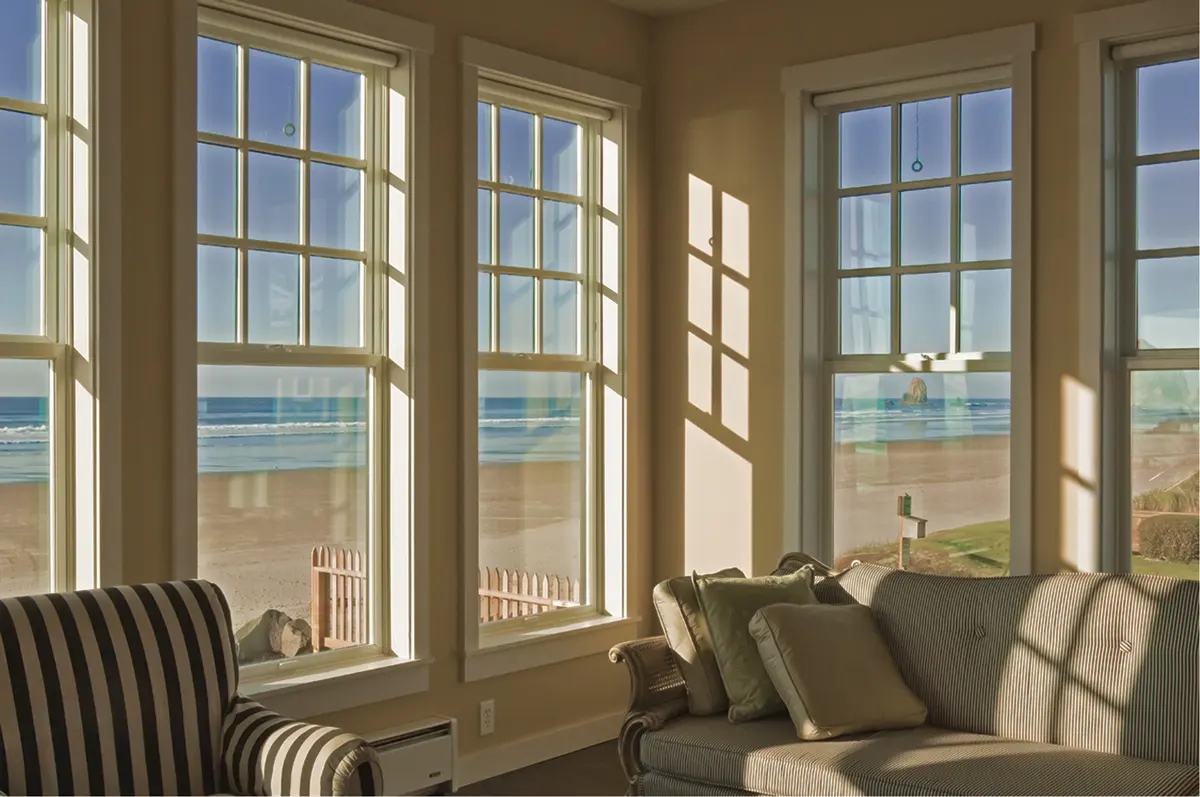


That draft near your window isn't going away on its own. You feel the chill creeping in, lingering no matter how high you set the thermostat. Over time, your energy bill climbs, your walls show signs of moisture, and that once-cozy room becomes impossible to keep warm.
When your windows leak or let in air, understanding the root cause makes all the difference. This guide helps you identify what's happening, weigh your options, and know when it's time to call in a professional. From spotting condensation to deciding whether aging aluminum or wood frames are worth keeping, here's how to find the solution that works for your home.
How to Tell If Your Windows Are Leaking or Drafty

If your energy bill spikes or a room never feels quite right, your windows might be the issue. Spot the warning signs before minor problems become more costly:
- Water damage around the frame or sill may indicate a failed barrier between your window and the wall.
- Condensation between panes often means the internal seal has failed, reducing overall efficiency.
- Cold drafts near the edges of the frame suggest air infiltration, especially in slider or awning windows.
- Sticky operation or windows that rattle could indicate poor alignment or aging components.
- Clogged weep holes can trap moisture, leading to interior leaks or mildew.
- Cracked caulk or brittle seals let air escape and may increase heat transfer throughout the room.
- Higher energy bills over time may point to inefficient ventilation or insulation loss.
- A failed thermal test (candle, flashlight, or thermal camera) can reveal invisible gaps.
Suppose you're noticing one or more of these. In that case, it may be time to review your warranty or contact a window installation company, like US Window and Door, who are experts in Milgard window installation, maintenance, and repair, to evaluate whether replacing windows is a better long-term solution.
Common Causes of Leaky or Drafty Windows
Window leaks usually trace back to a handful of underlying issues, but pinpointing the root cause can be tricky without a trained eye. Let's walk through the most common culprits.
Poor Installation Creates Long-Term Problems
For some windows, problems start during or shortly after installation. If the window isn't properly flashed or insulated, small gaps can form around the frame, leading to subtle air infiltration or long-term water damage. A misapplied sealant or poorly measured opening can leave just enough space for drafts to creep in, especially around casement windows, sliders, and large patio units. When installers rush the job or skip steps like applying flashing tape or using backer rod before caulking, those shortcuts show up later as drafts, moisture intrusion, and higher energy bills.
Seal Failure Between the Panes
One of the most common issues homeowners face is seal failure within the glass itself. When a seal breaks, condensation starts collecting between the panes, causing that telltale fogging and a drop in thermal performance. This affects your home's energy conservation and increases heat transfer throughout the room, forcing your heating or cooling systems to work overtime. That loss of insulation can significantly reduce the effectiveness of even Energy Star-rated units, turning what should be a long-term solution into an expensive patching cycle. This is especially common in humid climates or homes with poor ventilation.
Frame Materials Breakdown Over Time
The materials used in your window frame matter more than you might think. Older units made from wood are more likely to warp or rot, especially without regular upkeep. Even modern polyvinyl chloride and fiberglass frames can shift slightly with seasonal changes, creating small gaps that let air or noise slip through. Unfortunately, these issues often go unnoticed until the damage has already set in.
Weatherstripping and Seals Wear Out
Other red flags include degraded weatherstripping, brittle gaskets, or cracked silicone. These components are your first line of defense, and when they start to fail, your windows become vulnerable to the elements.
For homes with Milgard windows, Milgard offers a warranty that provides valuable protection, but it won't solve problems tied to poor construction or past installation errors. It’s best to speak with a window installation company and ask about replacement windows, especially if issues keep popping up.
If you're tired of dealing with windows that just aren't performing, consider requesting a free estimate from US Window & Door. What looks like a minor issue now can cost far more in repairs down the road than a complete window replacement would upfront.
5 Steps for Dealing with Leaky or Drafty Windows
When your windows start letting in air or showing signs of damage, it's easy to feel overwhelmed. These five steps will help you understand what's happening and determine the right course of action.
Step 1: Confirm That the Window Is the Root of the Problem
Not every leak or draft traces back to the window itself. Leaks near a window sill may actually stem from faulty flashing, poor drainage, or roof runoff. Water appearing near a bedroom or bathroom window could be caused by excess humidity, especially when there's insufficient ventilation. Moisture trapped behind the wall or leaking from above can easily masquerade as a window problem.
Conduct a focused inspection of the window and the surrounding area. Examine the window frame and trim for fog, peeling adhesive, soft spots, or warping, which are all signs of internal damage. Pay attention to how well the window closes. Visible corrosion around the hardware, a loose flange, or a window that resists opening can signal misalignment or material breakdown. On a cold day, hold your hand near the edges to feel for uneven drafts.
This initial assessment helps you understand whether you're dealing with a window issue or something in the surrounding structure, and that distinction matters when you're deciding on the next steps.
Step 2: Document the Damage and Check Your Warranty
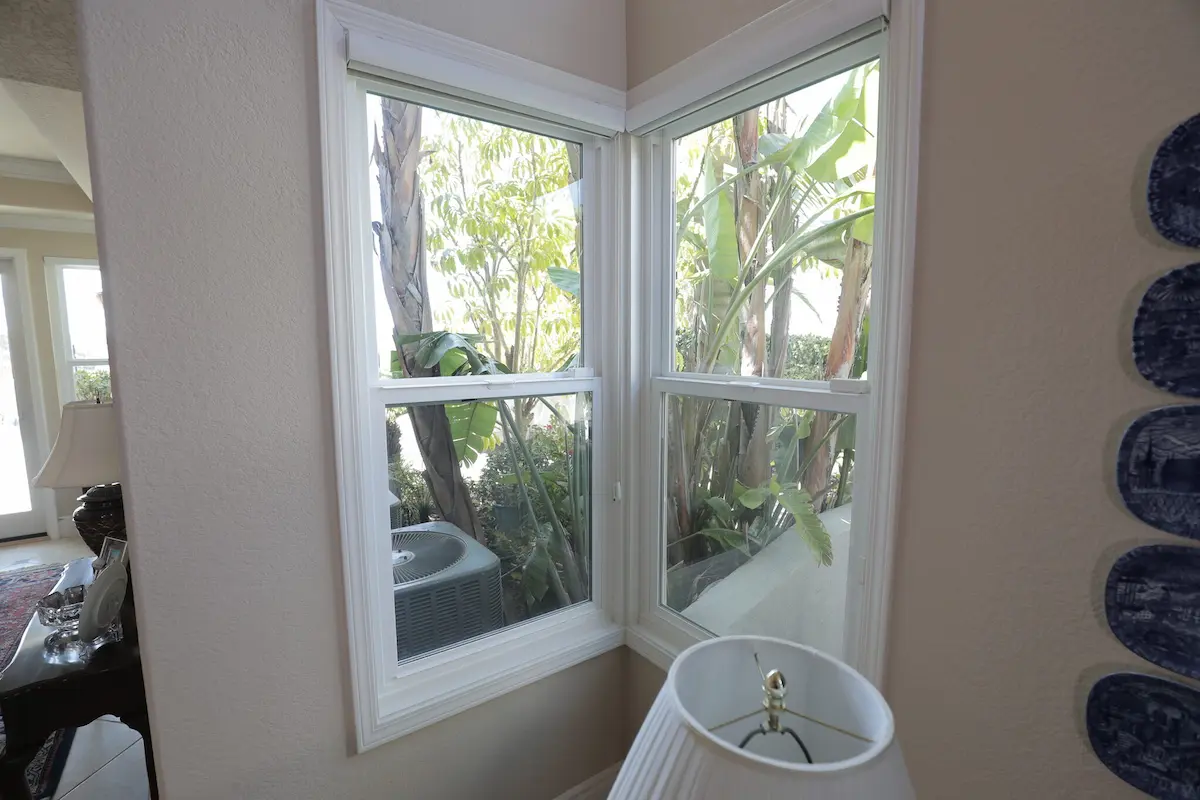
Take a moment to document what you're seeing. Start with a thorough visual check of the affected window, including the frame, glass, sill, and surrounding drywall. Look for corrosion, cracks, water stains, or visible gaps where air might be entering.
Use your phone to capture wide shots and close-ups from different angles. Include a ruler or coin in a few photos to show scale. Document any temporary fixes you've already tried, like taping a seal or blocking airflow. This record supports warranty claims and helps professionals give you an accurate estimate.
Once you have your photos, pull out your warranty documents. Milgard offers coverage on many of their products, and it often depends on when the windows were installed and what's causing the damage. Seal failures in double-pane units or frame deterioration may fall within warranty terms. Complete documentation makes it easier to work with your warranty provider and helps professionals understand your situation from the start.
Step 3: Be Cautious With Repairs That Waste Time and Money
When a window starts to leak or draft, many homeowners assume a simple repair will fix the issue. But even the most common repair strategies, like recaulking, reglazing, or replacing components, can get expensive fast. Worse, they don't always solve the deeper problem, especially in aging vinyl windows, fiberglass windows, or improperly installed units. Some common short-term fixes include:
- Recaulking around the frame: Caulk breaks down over time, especially in homes exposed to extreme weather or high humidity. Reapplying sealant can temporarily block drafts, but it doesn't fix underlying issues like failing flashing, warped framing, or compromised seals in double-pane windows. Recaulking becomes a repeated cost that doesn't move you closer to a real solution.
- Hardware replacements: Replacing locks, latches, or hinges may improve operation, but it won't restore energy efficiency if the frame has shifted or warped. Poor alignment can still allow airflow, dust, or moisture to slip through, particularly near the windowsill or corners.
- Glass panel replacement: You can replace cracked or fogged panes, but this can be costly, especially with argon-filled or low-emissivity glass in the bay or picture windows. If the window's structure is aging or poorly insulated, replacing the panel alone won't solve performance problems or reduce noise.
- Sash or balance repairs: In older windows, the sash or spring balance system may fail, causing sticking, drafts, or poor closure. Repairing these parts can run high in labor and still leave you with a window that falls short of today's quality windows in terms of performance or indoor air quality.
Step 4: Get a Professional Assessment from a Window Installation Company
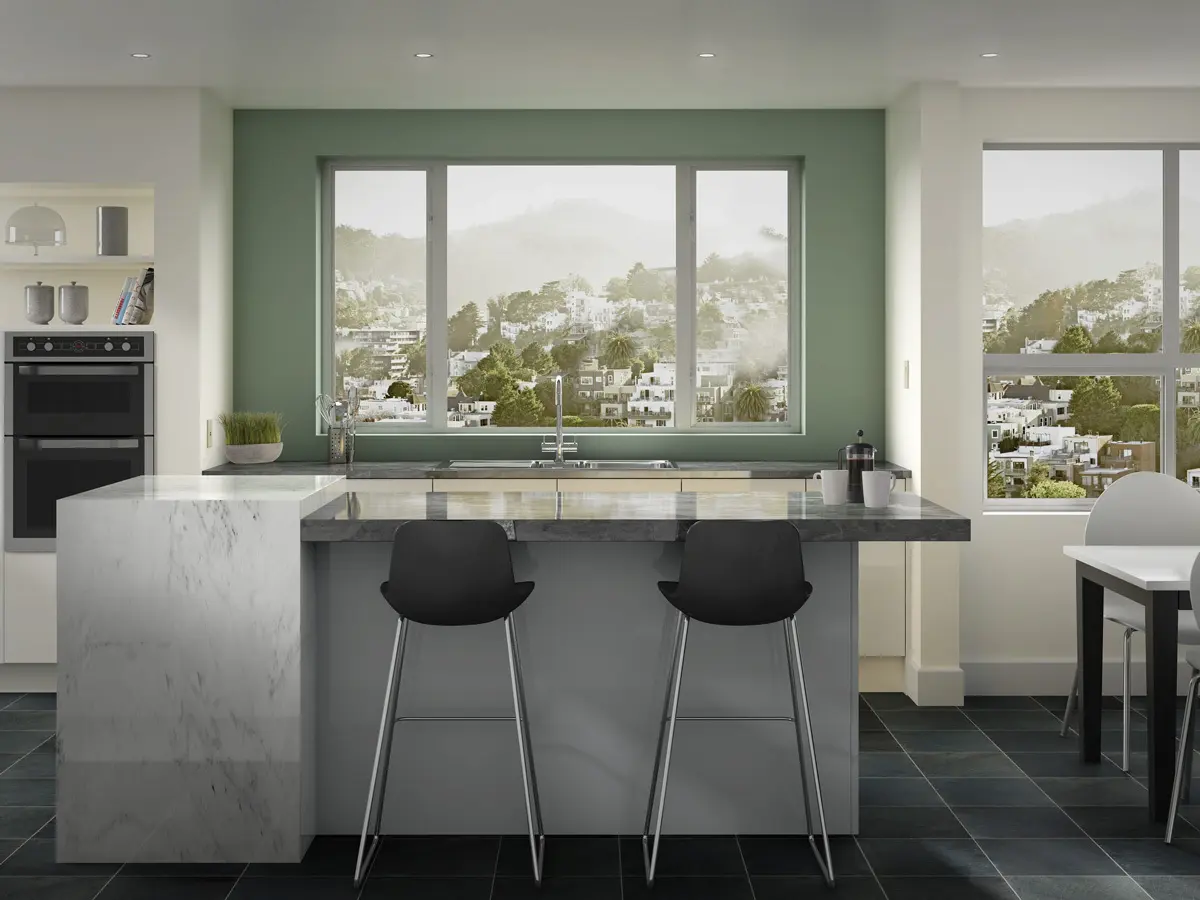
When your windows or sliding glass units show signs of failure, a licensed window installation company can pinpoint the real cause. Professionals assess the whole exterior structure, not just the glass. They check for hidden damage in the frame, evaluate seal integrity, and test for energy loss that may not be visible if your home includes fiberglass windows, Energy Star® windows, or older patio doors. A trained expert will know how to measure performance and identify whether a repair or full renovation makes the most sense.
Beyond diagnosing the issue, professionals also guide you through the best window options based on your layout, budget, and long-term goals. They can recommend energy-efficient windows with modern insulation features like krypton gas or low-emissivity coatings. A quality contractor will walk you through materials, explain how a lifetime warranty applies, and install your windows and doors for maximum performance. That level of expertise protects your investment and gives you peace of mind that the contract you sign will lead to real results.
Step 5: Decide If It's Time to Replace Instead of Repair
After a thorough inspection, many homeowners realize that repairs don't solve the root issue. If you continue to see condensation, feel drafts near the wall, or notice recurring signs of a leak, consider complete window replacement. Older aluminum or wood frames can warp or deteriorate, especially in homes with stucco exteriors or shifting foundations. Over time, patching problems around casement windows or sliding glass doors can lead to higher costs than starting fresh with modern energy-efficient windows.
Replacement offers more than just improved insulation. You gain better durability, updated aesthetics, and access to Energy Star-rated upgrades that support energy conservation. Newer materials like polyvinyl chloride or fiberglass resist wear and seal more tightly than older frames. If your current setup no longer qualifies for a warranty or your glass replacement quotes keep stacking up, investing in new windows and doors can deliver long-term value and lower future home improvement expenses.
Signs It's Time to Replace Your Milgard Windows
Some homeowners hope that one last bead of caulk or patch of epoxy will buy them another year. But in many cases, repair work delays the inevitable, especially when underlying issues go unchecked. One window might start fogging, another shows condensation buildup, and suddenly, you're dealing with a series of patch jobs that add up to the cost of complete window replacement. Here's when to stop fixing and start replacing.
Damage Beyond Surface-Level Issues: If your sliding glass door, casement windows, or large bay windows show signs of warping, moisture seepage, or flaking sealant, a minor fix won't restore their original durability. Water spots on drywall, soft stucco, or musty smells around the window sill often point to deeper structural problems inside the wall that no recaulking can resolve.
Consistent Drafts and Energy Loss: Drafty windows force your air conditioning or heat pump to work harder. If you've upgraded insulation or sealed visible leaks and your energy bills still climb, your windows could be the leading cause of heat transfer. Older aluminum or polyvinyl chloride frames without low-emissivity (Low-E) coatings often underperform compared to modern Energy Star models. In these cases, the energy savings from installing replacement windows outweigh the initial window replacement cost.
Repairs Are Adding Up: Temporary fixes or cosmetic touch-ups may mask issues for a season. But if you're dealing with cloudy double-pane glass, failing weep systems, or widespread frame deterioration, those small repairs turn into an expensive cycle. Once multiple windows show signs of failure, replacing them all at once is usually more cost-effective, especially if you're already working with a window installation company for a more significant home improvement or door replacement project.
You're Losing Function and Comfort: Windows should slide smoothly, seal tightly, and improve your home's comfort. If they stick, rattle, or fail to block outside noise, you're not getting the performance you paid for. Plus, in spaces like a bathroom or bedroom, where ventilation and privacy matter most, failed windows compromise both airflow and security.
Elevate Your Home's Comfort and Curb Appeal with US Window & Door
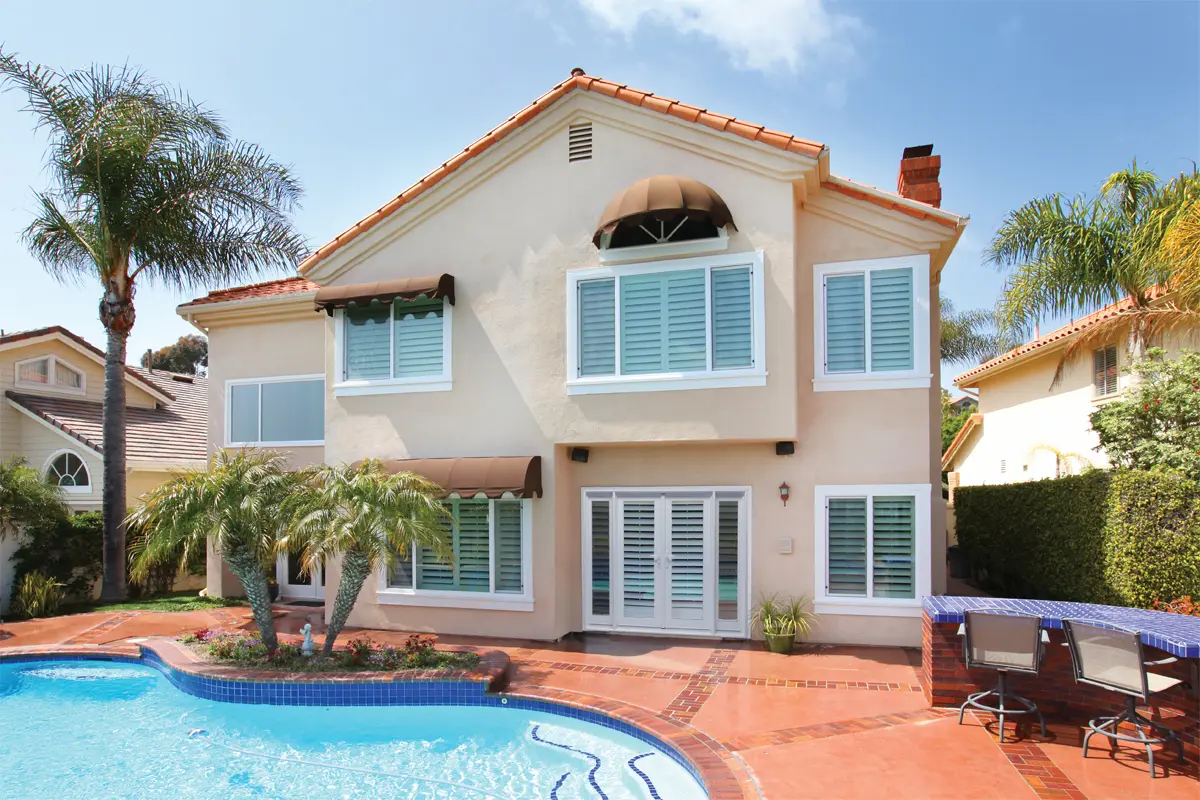
One leaky window rarely stands alone. Older frames, worn sealant, and outdated construction methods tend to fail together, especially when your home hasn't been professionally inspected in years. Instead of cycling through temporary fixes, get a proper evaluation that reveals the real issue. It's the smartest way to make decisions that actually last.
US Window & Door is Milgard's #1 rated dealer nationwide and San Diego's trusted partner for window replacement. From energy-efficient upgrades to seamless installation backed by a lifetime warranty, we help you create lasting comfort and value. Contact us today for a free estimate and experience what quality windows can do for your home.
.jpg)