


Window replacement in San Diego is one of those decisions that most homeowners know is coming but keep finding reasons to delay, partly because our climate makes deterioration feel gradual and manageable rather than urgent and obvious. Unlike regions where hard winters make failing windows impossible to ignore, San Diego's sun, salt air, and coastal moisture work quietly and consistently in ways that show up slowly in your comfort, your energy costs, and eventually your home's condition, building pressure until something finally forces your hand. The good news is that your windows give you plenty of warning before that point, and knowing what to look for makes window replacement a confident, well-timed decision rather than a reactive one.
Visual Warning Signs Your San Diego Windows Need Replacement
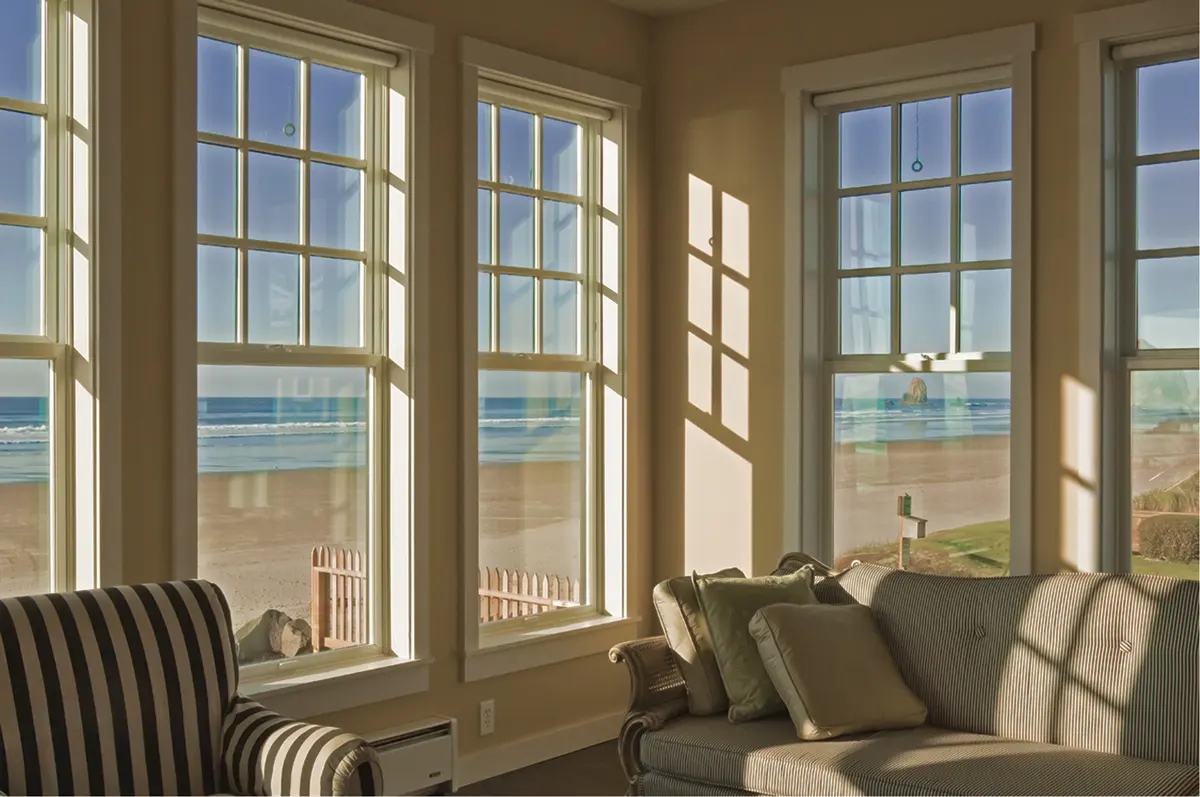
Your windows reveal their condition through visible changes that don't require any tools or expertise to spot, and a slow walk around your home is usually all it takes to get a clear picture of where things stand.
Frame Deterioration
Peeling paint, discoloration, soft spots, and visible warping in wood or composite frames are not cosmetic issues — they tell you the frame's structural integrity has been compromised by years of sun exposure and moisture cycling. Metal frames develop visible oxidation and pitting on the exterior surface, while vinyl frames crack and warp after prolonged ultraviolet exposure works against them season after season. Once the frame itself starts breaking down, no amount of maintenance restores it to reliable performance, which is exactly when window replacement in San Diego becomes the more practical path forward.
Difficulty Operating Windows
Windows that stick, require excessive force to open or close, or settle into new positions throughout the day are telling you the frame has warped or shifted out of square. San Diego's marine layer causes wooden frames to absorb moisture in the morning and dry out in the afternoon heat, and after years of that daily cycle, frames lose their original shape and windows stop operating the way they were designed to.
Visible Air Leaks and Failing Seals
Gaps between the frame and the wall, cracked caulk, and deteriorated weatherstripping allow unfiltered outside air into your home, bringing salt residue in coastal areas, dry-season dust, and unconditioned air that your cooling system then has to work against. Once these seals break down to the point where air moves freely around the frame, repair rarely addresses the full scope of what's happening.
Condensation Between the Panes
Fogging or moisture between the glass panes means the seal on your insulated glass unit has failed, and outside air is reaching the interior glass surface. You cannot clean this condensation away because it sits inside the unit, and once it appears the window no longer provides the insulation value it was designed to deliver. This is one of the clearest signs that window replacement is the only real solution, because the seal inside the unit cannot be restored once it goes.
Rust and Corroded Hardware
Hinges, locks, and fasteners that have rusted or become difficult to operate reflect years of coastal exposure, and visible pitting on metal frames tells the same story. In neighborhoods within a few miles of the coast, this kind of corrosion accelerates in ways that inland homeowners rarely have to think about.
Energy Loss and Comfort Problems From Failing Windows
Many San Diego homeowners don't realize their windows are underperforming until the comfort changes become impossible to ignore, and because the deterioration happens slowly, it's easy to adapt without connecting the cause back to the windows themselves.
Hot Spots and Increased Cooling Costs
Aging windows allow excessive solar heat into your home during sunny afternoons, and your air conditioning works harder to compensate in rooms with west or south-facing exposures. Modern windows with low-emissivity coatings reflect solar heat while still letting natural light through, while older windows with single panes or basic insulated glass provide almost no solar control. If you've started closing blinds or repositioning furniture to avoid sitting near certain windows during the afternoon, that's a signal worth taking seriously.
Drafts Around Closed Windows
Cool or warm air moving around window frames when the windows are fully closed points to seal breakdown, and while San Diego's mild winters make drafts more about discomfort than heating bills, they confirm the window is no longer doing its job of separating your interior environment from outside conditions.
Increased Dust and Noise
Poor seals allow dust and salt residue to enter around frames, so if you find yourself cleaning window sills more frequently or noticing a gritty film on nearby surfaces, the windows themselves are likely the source. Sound transmission also increases noticeably when frames no longer seal properly, and road noise or neighborhood activity that once felt distant starts coming through more clearly as the window's insulating properties break down over time.
Age and Material: How Long Do San Diego Windows Last?
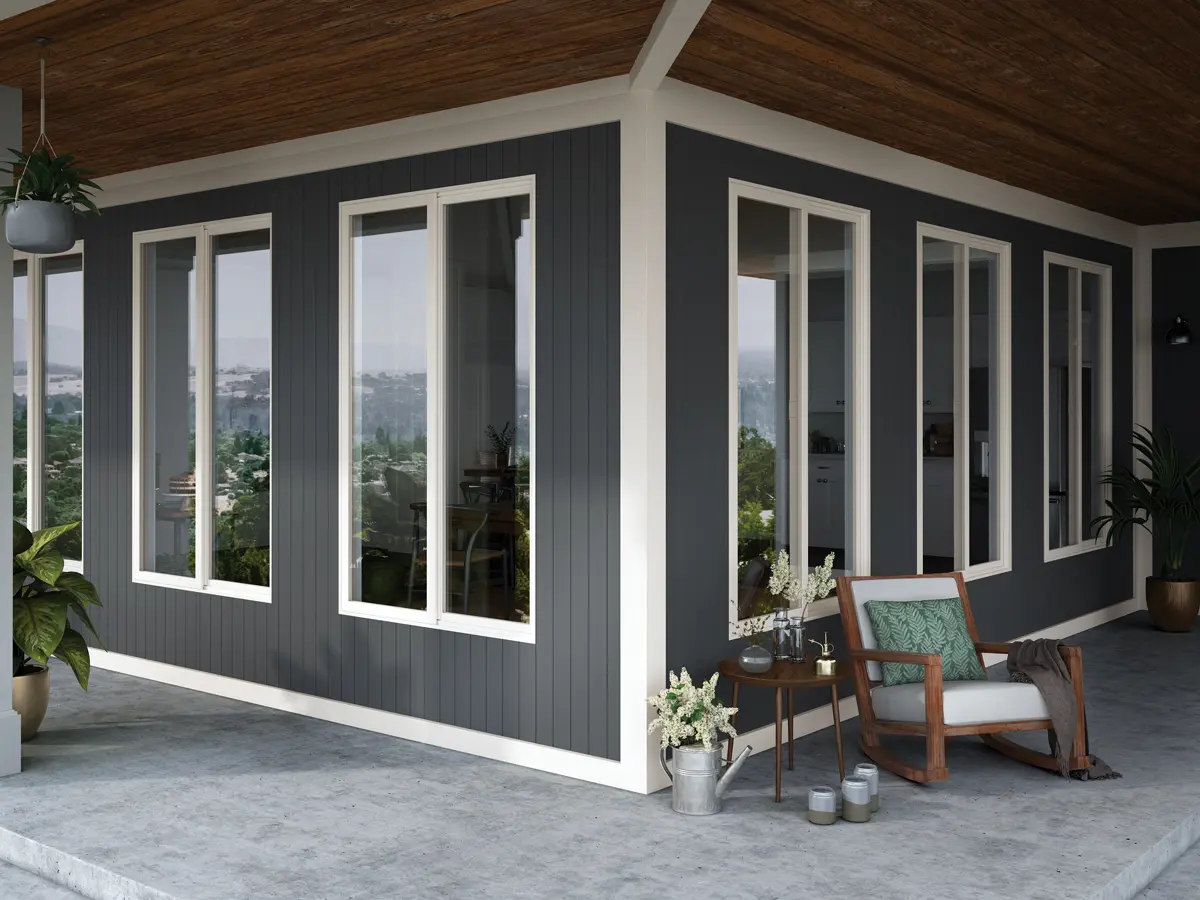
Different window materials have predictable lifespans, and San Diego's climate accelerates deterioration compared to most other parts of California in ways that make those timelines worth understanding before you decide whether repair or window replacement is the right call.
Single-Pane Windows
Single-pane windows, particularly those installed before the 1990s, have typically reached the end of their useful life regardless of how they look from the outside. They provide almost no insulation value and no solar control, and replacing them with an Energy Star-rated option like the Milgard V400 delivers an immediate and noticeable improvement in both comfort and energy performance from day one.
Wooden-Framed Windows
Wood can support a window for decades with proper maintenance, but that maintenance requires fresh paint every five to seven years to hold back moisture and UV damage in San Diego's climate. Frames showing peeling paint or soft spots have already allowed water into the wood structure, and in our moist, salty coastal air, rot develops quickly once that process begins.
Metal-Framed Windows
Aluminum frames from the 1970s and 1980s show visible corrosion in coastal San Diego by now, and the anodized coating that originally protected the metal has long since broken down on most of these older units. Metal frames also conduct temperature directly, creating drafts and reducing insulation value in ways that no amount of resealing corrects over the long run.
Vinyl Windows
Vinyl frames installed in the 1990s and early 2000s are reaching the end of their practical lifespan in San Diego's climate, because continuous ultraviolet exposure makes vinyl brittle over twenty to thirty years, and as frames crack and warp, seals fail throughout the unit. Homeowners with vinyl windows from this era who are noticing comfort or operational issues are most likely looking at full window replacement in San Diego rather than a repair that buys meaningful time.
Fiberglass and Composite Windows
These materials hold up longer than vinyl or aluminum in coastal conditions, with lifespans extending to thirty-five or forty years in most cases. Even so, fiberglass windows installed in the 1990s in coastal properties are now showing age, and homes built in the 1980s or earlier warrant a thorough evaluation regardless of what the frames are made of.
How San Diego's Climate Accelerates Window Wear

San Diego's environment places a specific and persistent kind of stress on windows that most inland California climates don't replicate, and understanding those factors helps you interpret what you're seeing when you start noticing the warning signs around your home.
The region's abundant sunshine degrades frame materials faster than nearly any other condition, making vinyl brittle, causing wooden frames' paint to fail ahead of schedule, and dulling and corroding metal finishes over years of direct exposure. Salt air in coastal neighborhoods compounds this by corroding frames, hardware, and fasteners, with metal components that would last indefinitely inland showing rust and pitting within just a few years of consistent coastal exposure. The daily cycle of marine layer moisture in the morning followed by afternoon drying then expands and contracts frame materials repeatedly, loosening seals and shifting frames out of square through months and years of cumulative stress that adds up faster than most homeowners expect.
West and south-facing windows bear the most direct exposure to afternoon heat and sunlight, meaning they typically show age faster than windows on other sides of the home. The U.S. Department of Energy notes that window orientation plays a meaningful role in both energy performance and long-term durability, which is worth factoring into any replacement planning for your specific home.
When Window Replacement Makes Financial Sense
Replacement becomes the right call when repairs no longer justify the cost, and a reliable rule of thumb is that any single window repair running more than half the cost of full replacement warrants replacing the unit entirely. When multiple windows across the home show signs of failure around the same time, replacing them together provides a consistent appearance, uniform performance, and a cleaner project overall rather than a piecemeal process spread across several years.
Water intrusion around windows after rain, mold or mildew developing near frames, or staining on interior walls near window openings all indicate the frame seal has failed beyond what repair can address, and taking action promptly stops the damage from reaching the home's framing and insulation, where it becomes a far more involved problem to solve.
When Repair Still Makes Sense
Not every window problem calls for replacement in San Diego, and an honest assessment sometimes confirms that a targeted repair is the more practical choice. A single broken pane in an otherwise sound, well-operating frame can often be replaced on its own without touching the rest of the unit. Failed weatherstripping can be swapped out at minimal cost when the frame itself is still performing well, and stuck or difficult windows sometimes respond to cleaning and lubrication when the frame hasn't warped beyond its original shape. Deteriorated exterior caulk can also be removed and reapplied with marine-grade silicone when the frame underneath is still structurally sound, and the seal failure is limited to the caulk line itself.
Questions San Diego Homeowners Commonly Ask
After completing thousands of window projects across San Diego, the US Window & Door team has a clear sense of what homeowners want to know when they start thinking about replacement, and the questions below are the ones that come up most consistently.
Can I replace just one or two windows instead of all of them? You can absolutely replace individual windows, and doing so makes sense when the rest of your windows are in good condition and performing well. When multiple windows across your home are showing the same signs of age and wear, replacing them together typically delivers better value and a more consistent result than addressing them one at a time over several years.
How do I know whether my windows qualify for energy efficiency rebates? Energy Star-certified windows often qualify for federal tax credits and local utility rebates, and your specialist can walk you through what applies to your specific project. Performance data for any window is available on the NFRC label, which displays the ratings that determine eligibility.
How long does window replacement take in San Diego? A single window replacement typically runs two to four hours from start to finish, while a full home project covering ten or more windows generally takes two days depending on the size and complexity of each opening. Your specialist provides a clear project timeline during the free in-home estimate based on your home's specific conditions.
US Window & Door Brings San Diego Replacement Expertise

Understanding your windows' actual condition requires someone who knows San Diego properties and gives you straight answers rather than assumptions, and that's exactly the approach the US Window & Door team takes on every evaluation. Our specialists have assessed thousands of windows across San Diego neighborhoods, from inland homes to coastal properties facing the full combination of salt air, consistent sun, and daily moisture cycling, and we know the difference between a window that has a few good years left and one that is already costing you in ways you may not have connected to the windows themselves.
Our team at US Window & Door provides a free in-home estimate that includes a thorough inspection of your existing windows, an honest assessment of their current condition, and a clear recommendation about whether repair or window replacement in San Diego is the practical choice for your home and your budget. Schedule your free in-home estimate with US Window & Door today and get the answers you need to make a confident decision about your windows.
.jpg)