


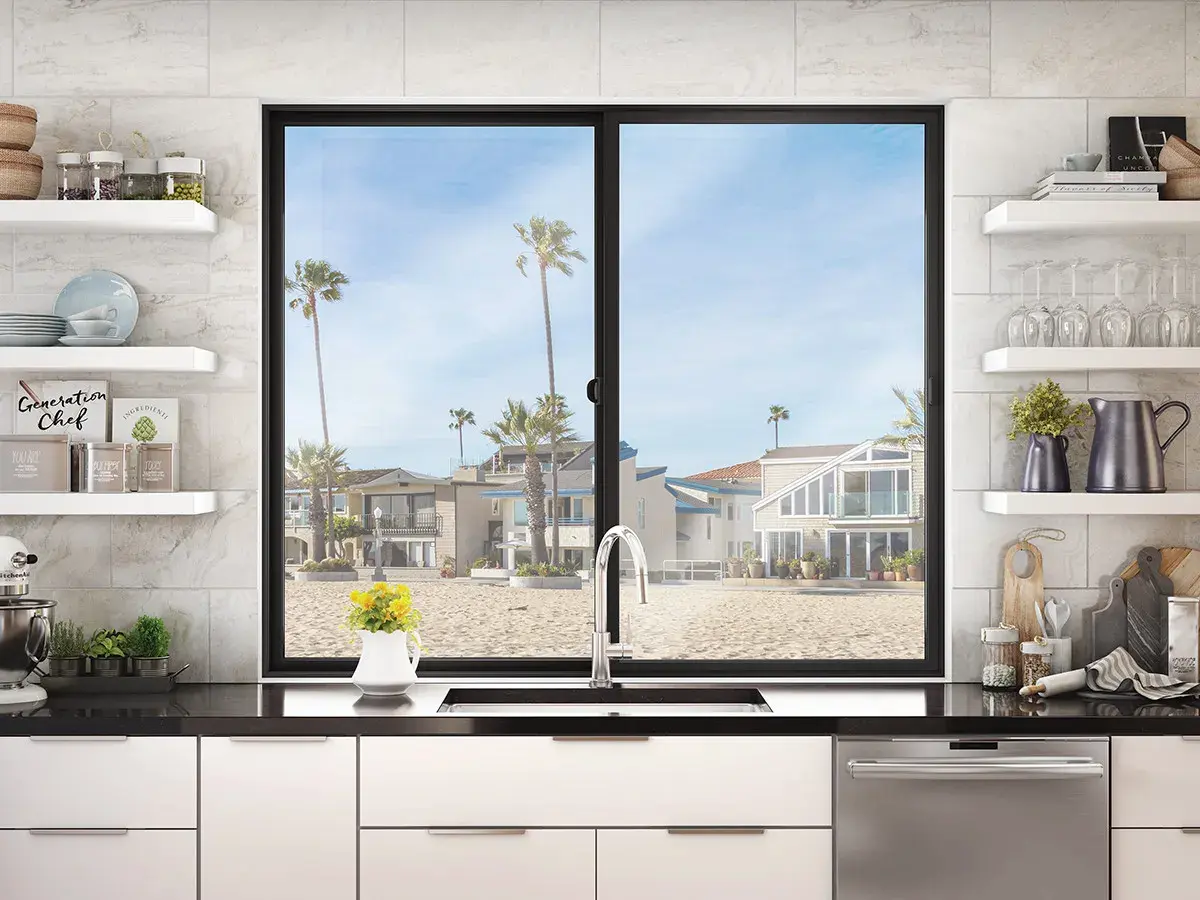


In Southern California, sunlight can be your home's best feature or its biggest enemy. Over time, outdated glass invites relentless heat that drives up cooling costs. Ultraviolet rays fade flooring and furniture, while coastal air loaded with salt eats away at frames. Climate-smart window upgrades change that equation.
With options like low emissivity coatings, argon-filled panes, and durable fiberglass or vinyl frames tested by the National Fenestration Rating Council, you can welcome daylight without the drawbacks. These upgrades control heat transfer and protect against corrosion and humidity. The result is a home that runs more efficiently, holds its beauty longer, and performs beautifully across every San Diego microclimate.
How San Diego's Microclimates Affect Your Window Performance
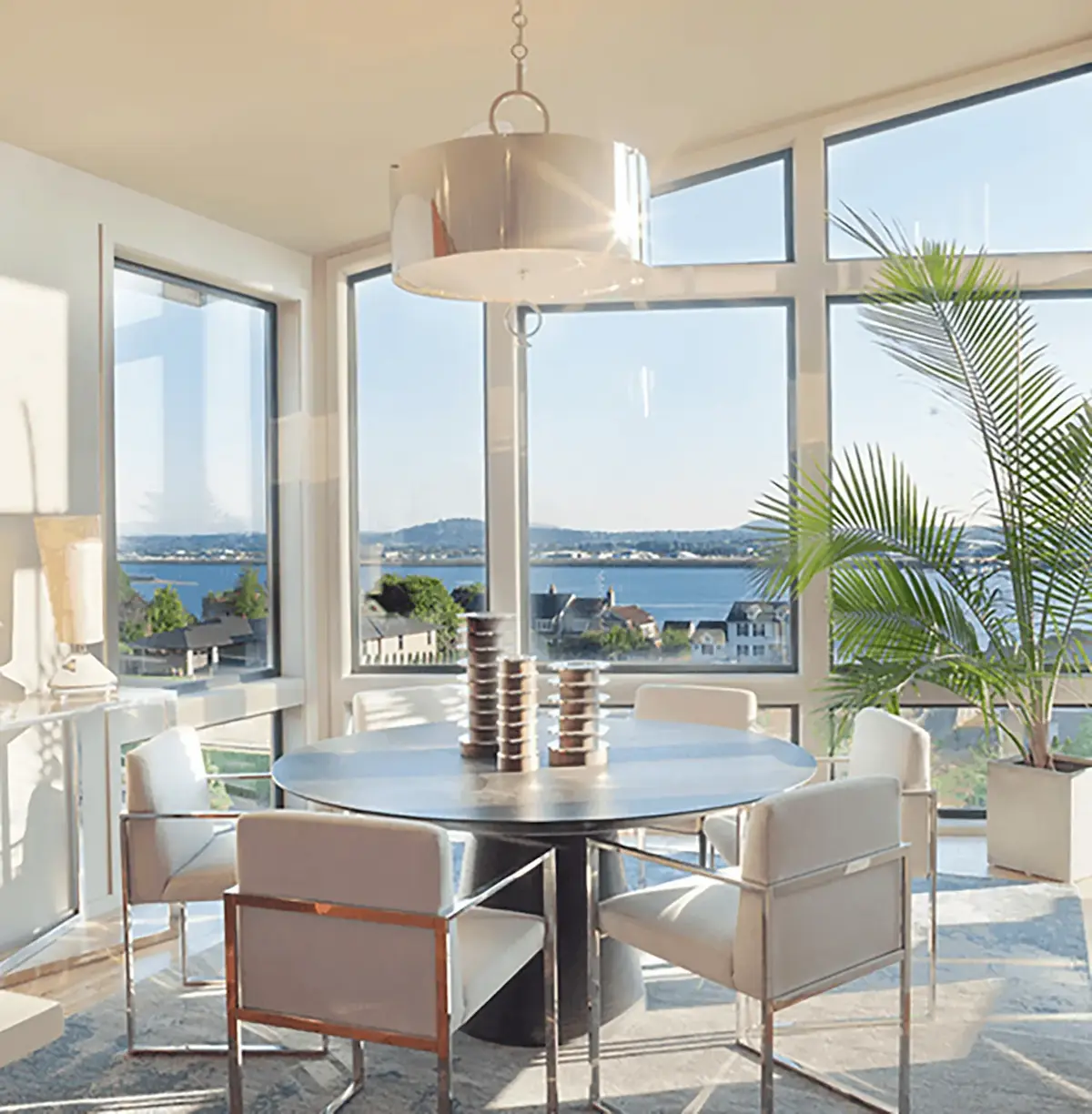
Few places pack so many distinct climates into a small area like San Diego. A quick drive can take you from salt-heavy ocean air to scorching desert heat or the cooler, condensation-prone mountain zones. Each shift in environment changes how a window performs, how long it lasts, and how much energy it saves. That variety makes choosing the right design a critical step in any home remodeling project.
Every location calls for its own strategy. A bay window in a coastal home needs corrosion-resistant materials that can handle constant exposure to salt and moisture. A sliding glass door opening to a desert patio benefits from krypton-filled panes that limit heat transfer while preserving light. Window film, foam spacers, and ENERGY STAR-certified products add layers of efficiency and protection against damaging radiation.
What Are Climate-Smart Window Upgrades?
Climate-smart window upgrades use advanced materials and precise engineering to match the demands of your home’s environment. These energy-efficient windows feature high-level thermal insulation, Low-E coatings that manage sunlight, and frame materials selected for durability in specific conditions.
Certified by the National Fenestration Rating Council, they help reduce energy waste, shrink your carbon footprint, and maintain a stable indoor climate even during San Diego’s seasonal extremes. Strategic choices in vinyl or fiberglass windows can prevent corrosion near the coast, manage heat in desert zones, and limit condensation in cooler mountain areas.
A successful window replacement depends on more than selecting the right product. Proper window installation, detailed sealing, and careful alignment ensure each unit performs as intended for years. Matching a window’s design to its exact placement, such as a San Diego window that needs glare control for afternoon sun or a basement window requiring stronger moisture protection, maximizes the investment.
Window Technologies That Deliver Maximum Comfort and Efficiency
Modern climate-smart windows go far beyond good-looking frames and insulated glass. They include features that handle San Diego’s unique mix of coastal salt air, inland heat, and mountain moisture. Some fight heat transfer so your rooms stay cooler without overworking the AC. Others add layers of security that help you feel safer at night or during a storm. Together, these technologies create a comfortable home that runs more efficiently and stands up to whatever the weather delivers. Below are examples of upgrades that can turn an ordinary window replacement into a high-performance feature of your home.
Smart Locks
Modern window security has come a long way from a basic latch. Today's best systems are engineered directly into the frame, eliminating the clunky hardware and giving you a cleaner, more intuitive experience. Milgard's SmartTouch lock mechanism is a good example. Built into the window sash itself, one smooth motion opens, closes, and locks with no pinching, squeezing, or twisting. When the handle is down, the window is locked. The lock assembly is made from die-cast zinc and independently tested to exceed California's forced-entry codes by 25%. In San Diego, where warm evenings tempt you to crack a window for fresh air, SmartTouch gives you the confidence to do that without compromising security. Pair it with Milgard's SecurityMAX package, and you get a multi-point locking system that engages five points of contact across the frame, making forced entry significantly harder.
High-Performance Hardware
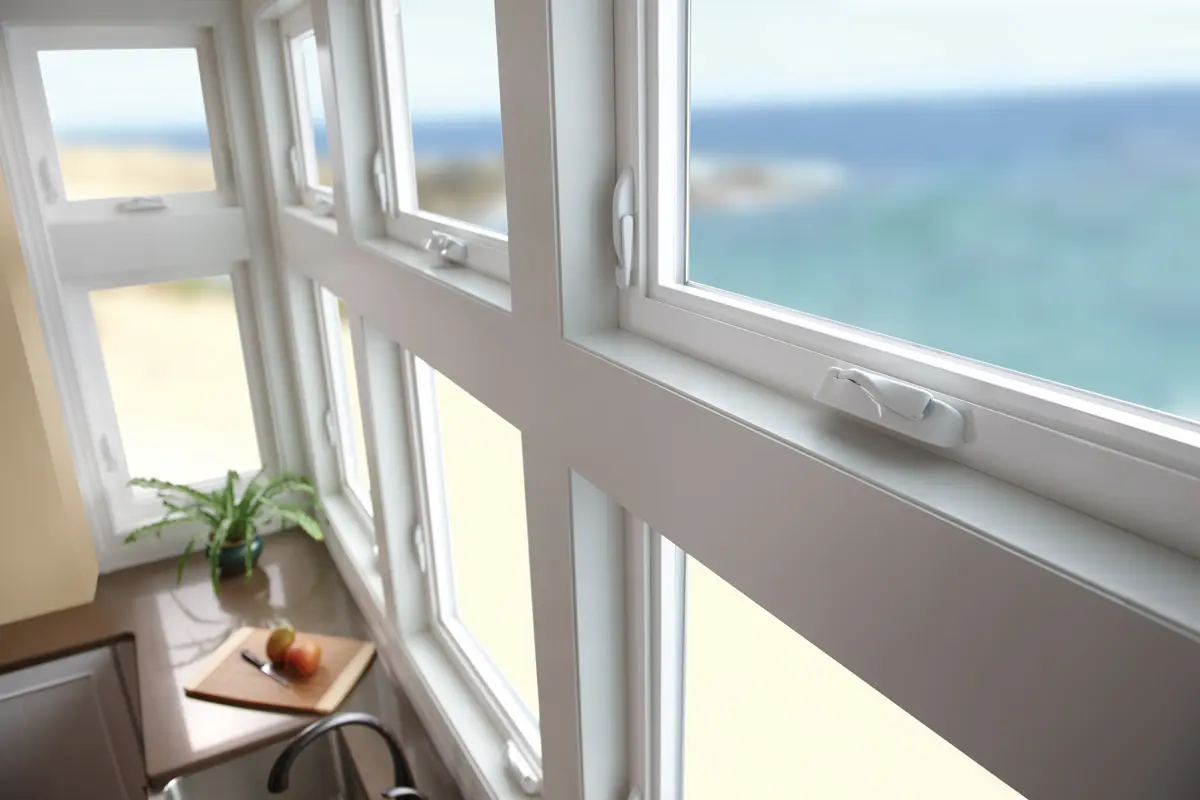
In coastal neighborhoods, salt air doesn't just rust car bumpers. It works its way into window hardware, causing mechanisms to stick and fittings to loosen over time. The frame material you choose matters just as much as the hardware itself. Milgard's C650 Ultra fiberglass series is built specifically for this, resisting warping, rotting, and corrosion in environments where cheaper materials fail fast. For homeowners who want the clean look of aluminum, Milgard's A250 Thermally Improved Aluminum series uses a thermal break frame and, for salt-air climates, offers an optional stainless steel hardware system designed to hold up against coastal conditions. That means a window that glides and locks the same way years from now as it did on day one, no squealing, no sticking, no salt-damaged hardware forcing repairs you didn't budget for.
Impact-Resistant Glass
One strong gust can turn loose debris into dangerous projectiles, and standard glass doesn't stand much of a chance. That's where impact-resistant glass earns its place. Laminated glass uses a plastic interlayer between panes to hold the sheet together even if it cracks, so the window stays intact instead of caving in. Tempered glass takes a different approach, heat-treated for extra strength and engineered to break into small, blunt pieces instead of sharp shards if it does give way. Together, these technologies protect against storms and make forced entry significantly harder. Picture a sliding glass door taking a direct hit from wind-driven debris and holding firm, no shattered glass, no water pouring in, no compromised frame. In San Diego's coastal and inland zones, that kind of resilience isn't a luxury. It's a smart investment.
Energy-Efficient Glass
The proper glass can make your home feel cooler in summer and warmer in winter without overloading your HVAC system. Low-E coatings reflect heat while still allowing in natural light. Spectrally selective coatings go further by blocking specific wavelengths that cause heat buildup. Fill the space between panes with argon or krypton gas, and you drastically cut heat transfer. In a west-facing San Diego window, your living room no longer turns into an oven every afternoon. You save on cooling costs while keeping the brightness you love. Properly installed, this glass reduces condensation on cooler nights and improves indoor comfort all year.
Multi-Point Locking Systems
A single latch in the middle of a window frame can leave the corners loose, letting in drafts or rattling in high winds. Multi-point locking systems solve this by securing the sash at several points along the frame. When you turn the handle, the locks engage at the top, bottom, and sides, creating a tight seal. That extra grip means better insulation, less heat loss, and improved security. For example, a tall casement window facing a windy canyon stays stable with no whistling air leaks. It also resists prying because multiple locking points distribute the pressure. In damp mountain zones, where drafts and water seepage can cause damage, this lock helps preserve comfort and structural integrity.
UV Filtering
Sunlight brightens a home and carries invisible ultraviolet rays, slowly destroying fabrics, flooring, and artwork. UV-filtering coatings block these rays before they enter, helping your interior keep its color and finish. Picture a bay window over a dining table where the afternoon sun hits hard without filtering, chairs fade unevenly, wood finishes dry out, and flooring discolors. With the proper UV treatment, you can enjoy the view without the damage. San Diego’s high-sun coastal and desert zones also mean less heat gain, which supports overall energy efficiency. For homeowners with prized furniture or custom paint, UV filtering acts like sunscreen for the home.
Enhanced Ventilation Systems
Some designs allow airflow while keeping out rain and debris. Tilt-and-turn windows can tilt from the top for gentle ventilation or swing inward for a stronger breeze. Hinged at the top, awning windows open outward so they can stay open during a light rain without letting water inside. In a San Diego coastal home, you can enjoy ocean breezes without worrying about sudden weather changes. In mountain climates, these designs help release humidity after cooking or bathing, which reduces condensation buildup. Improved airflow also refreshes indoor air, creating a healthier and more comfortable living environment.
Smart Window Technologies and Tinting for San Diego Homes
Today's most advanced coatings actively manage how heat and light move through your windows, giving you real control over your home's comfort without sacrificing the view. For San Diego homes dealing with intense afternoon sun, that kind of precision makes a meaningful difference.
Milgard has built their glass lineup around exactly this. Their SunCoat Low-E coating comes standard on all dual-pane windows, reflecting heat in summer and retaining warmth in winter while blocking up to 84% of UV radiation. For homes with serious sun exposure, upgrading to SunCoatMAX Low-E3 pushes performance even further, reducing solar heat gain more than standard two-coat glass and blocking 95% of the UV rays that slowly fade your floors, furniture, and artwork before you notice it happening. Pair that with Milgard's tinted glass options for west or south-facing rooms and you get a window that actively manages heat and glare without dimming the natural light that makes San Diego homes worth living in.
Long-Term Benefits of Climate-Smart Window Upgrades
Climate-smart windows pay for themselves over time. Lower energy bills, less wear from San Diego's elements, and minimal upkeep once they're properly installed. Here's what you can expect:
- Lower Energy Costs: High-performance glass with Low-E coatings and gas fills reduces heat transfer, which helps cooling and heating systems run less often.
- Extended Product Lifespan: Materials such as fiberglass or premium vinyl resist warping and corrosion in coastal salt air or intense desert sun.
- Protection of Interior Finishes: UV-blocking technology prevents fading on flooring, furniture, and paint.
- Improved Comfort: Stable indoor temperatures eliminate cold drafts in mountain climates and limit heat buildup in inland zones.
- Increased Property Value: Energy-efficient windows attract buyers who want reduced utility costs and proven performance.
- Lower Environmental Impact: Less energy lowers a home’s carbon footprint and supports sustainability goals.
US Window and Door: Your Local Experts for San Diego’s Climate-Smart Window Installation
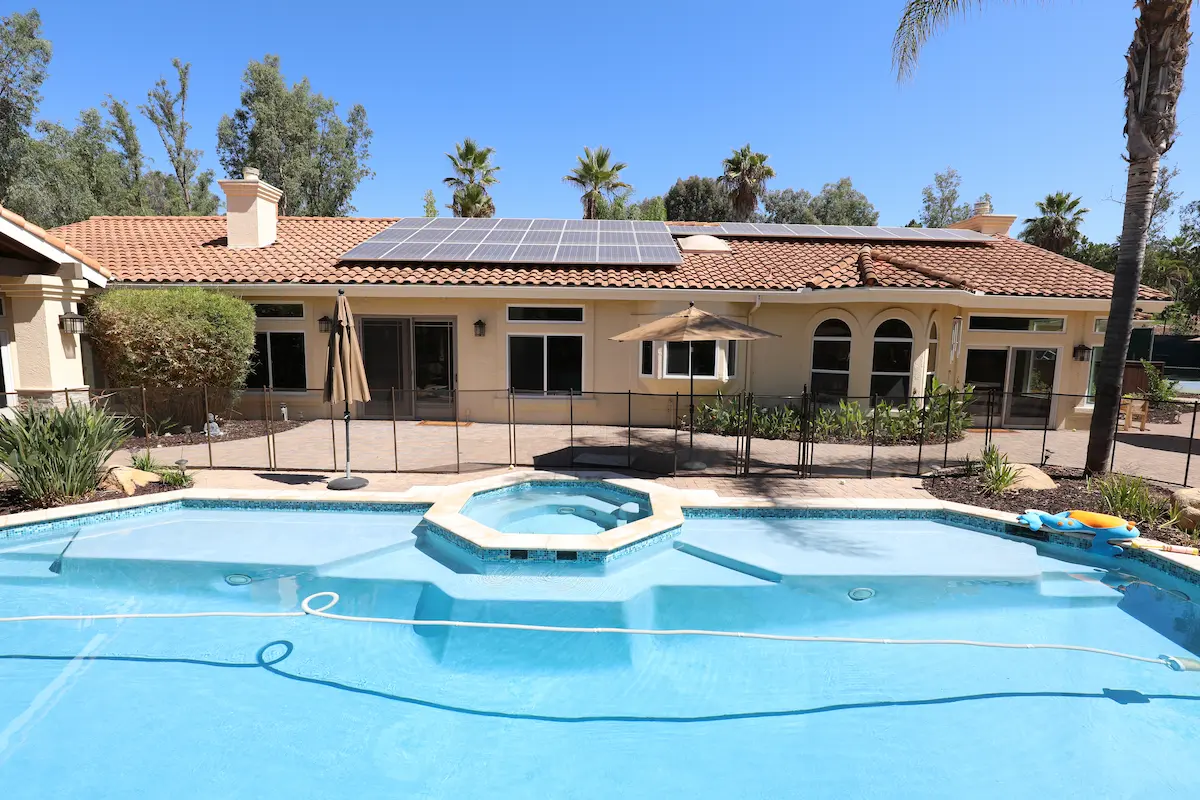
San Diego's microclimates place unique demands on every home, and the right windows make all the difference. But knowing which upgrades actually fit your home, your neighborhood, and your vision for how you want to live in it, that's where most homeowners get stuck. US Window and Door takes that guesswork off your plate. Whether you're after better energy performance, coastal durability, or a specific look you've had in mind, we match the right products, glass technology, and hardware to what your home actually needs and install everything with the precision to back it up. Schedule your free consultation today and walk away knowing exactly what your upgrade looks like.
.jpg)