


Coastal homes in San Diego can feel like paradise, with ocean air and sunlight shaping a lifestyle many dream about. However, that beauty can come with a price. Moisture from the marine layer sneaks into frames, creating condensation that lingers on glass. Left unchecked, the dampness feeds mold and leaves musty odors that erode comfort.
For some, it even stirs up allergies or skin irritation. Homeowners see the signs when paint softens, wood swells, or indoor air begins to feel heavy. Modern replacement windows provide a real solution instead of constant patchwork, cleaning, and repairs. Find out how new windows could help you prevent mold and moisture in your home.
The Coastal Climate Challenge in San Diego
You don’t need a flood or a burst pipe for water damage to take over a San Diego home. The coast and climate create their problems. A lingering marine layer leaves windows slick with condensation before noon. Seasonal rain pushes moisture through hairline cracks in a roof or along an aging window frame. Even a slow plumbing leak in a bathroom wall can fuel indoor mold that spreads out of sight until the smell gives it away.
When that happens, it impacts both your property and health. Mildew stains surfaces, spores drift into vents, and musty odors creep from one room to another. Some families notice nasal congestion or irritation that won’t clear because moisture lingers in the air. Minor problems can escalate quickly, becoming costly mold remediation and insurance disputes over uncovered damage. That reality is why San Diego homeowners look to stronger window solutions designed for the coast.
How Windows Contribute to Mold and Moisture Problems
A poorly performing window does more than look dated. It creates a gateway for moisture that fuels mold. When warm air inside a home meets a cold pane, condensation collects on the glass and frame. That damp layer lingers long enough for spores to take hold, staining paint and feeding hidden growth in drywall or wood trim. Homeowners often first notice musty odors or a patch of mildew spreading near the sill, a clear sign that excess humidity has become a bigger issue.
Leaks make the problem worse. Damaged seals or cracked frames allow rain to seep around the edges, while poor installation leaves gaps like funnels. Once water slips behind the frame, it seeps into lumber and insulation, leading to costly water damage and the risk of a complete mold infestation. A small drip near a bathroom or kitchen sink can quickly escalate, leaving families with irritated skin, nasal congestion, or even worsening asthma as the spores spread through the air.
In addition, without steady airflow, trapped humidity creates the perfect conditions for growth. Steam from a shower or excess heat from an overworked air conditioning unit raises indoor levels, and without exhaust fans or fresh air, that dampness lingers. Frames of untreated wood absorb the moisture and break down over time, while newer materials like fiberglass or engineered wood offer far more durability. Understanding how windows contribute to these problems highlights why window replacement remains one of the most effective long-term solutions for coastal homes.
Benefits of Installing New Windows in Coastal Homes

New replacement windows protect against moisture. They also reduce condensation and block the conditions that fuel indoor mold. That difference keeps mold from spreading around frames and into drywall. Proper seals also stop hidden leaks that creep in after rain or a small plumbing issue. Homeowners avoid expensive water damage by eliminating those entry points and protecting long-term value.
Upgraded windows improve your home beyond basic protection:
- Improved Indoor Air Quality: Better seals keep excess humidity under control and reduce the spread of spores that trigger irritation, musty odors, or recurring allergies.
- Better Protection Against Mold and Mildew: Frames made from fiberglass or engineered wood resist swelling, unlike older wood that absorbs water and feeds mold growth.
- Energy Savings and Comfort: Glass with low emissivity (Low-E)coatings reduces heat transfer, easing the load on air conditioning and helping maintain balanced indoor comfort.
- Stronger Property Protection: Well-installed replacement windows prevent leaks that lead to mold damage and costly remediation while supporting long-term insurance coverage.
The Best Types of Windows for Preventing Mold and Moisture
San Diego’s coastal climate puts every weak spot in a window to the test. The right frame material and glass design can resist moisture, limit condensation, and help protect against costly mold damage. Here’s how different options perform in homes near the coast.
Vinyl
Homeowners rely on vinyl because the material does not absorb water. Frames stay stable instead of swelling or splitting, keeping seals tight and blocking hidden leaks. Vinyl also insulates well, reducing cold surfaces where condensation gathers and creating a damp spore base. That balance makes vinyl one of the most reliable defenses against indoor mold and the following musty odors.
Fiberglass
This material delivers strength and durability in humid or storm-prone conditions. The dense fiber structure resists rot and stands up to heat transfer without warping. That stability prevents gaps along the frame where rain or humidity often slips inside. By keeping the perimeter dry, fiberglass limits the moisture that leads to infestations and helps preserve healthier indoor air quality.
Aluminum
Aluminum frames offer corrosion resistance but have a significant drawback: they conduct heat efficiently. Without a thermal break, that conductivity creates cold spots where condensation forms quickly. Too much dampness invites mildew and staining along the sill. Modern aluminum windows now often include insulated thermal breaks that reduce this issue, but without that upgrade, aluminum is more likely to contribute to mold growth than prevent it.
Window Features That Help Prevent Mold and Moisture
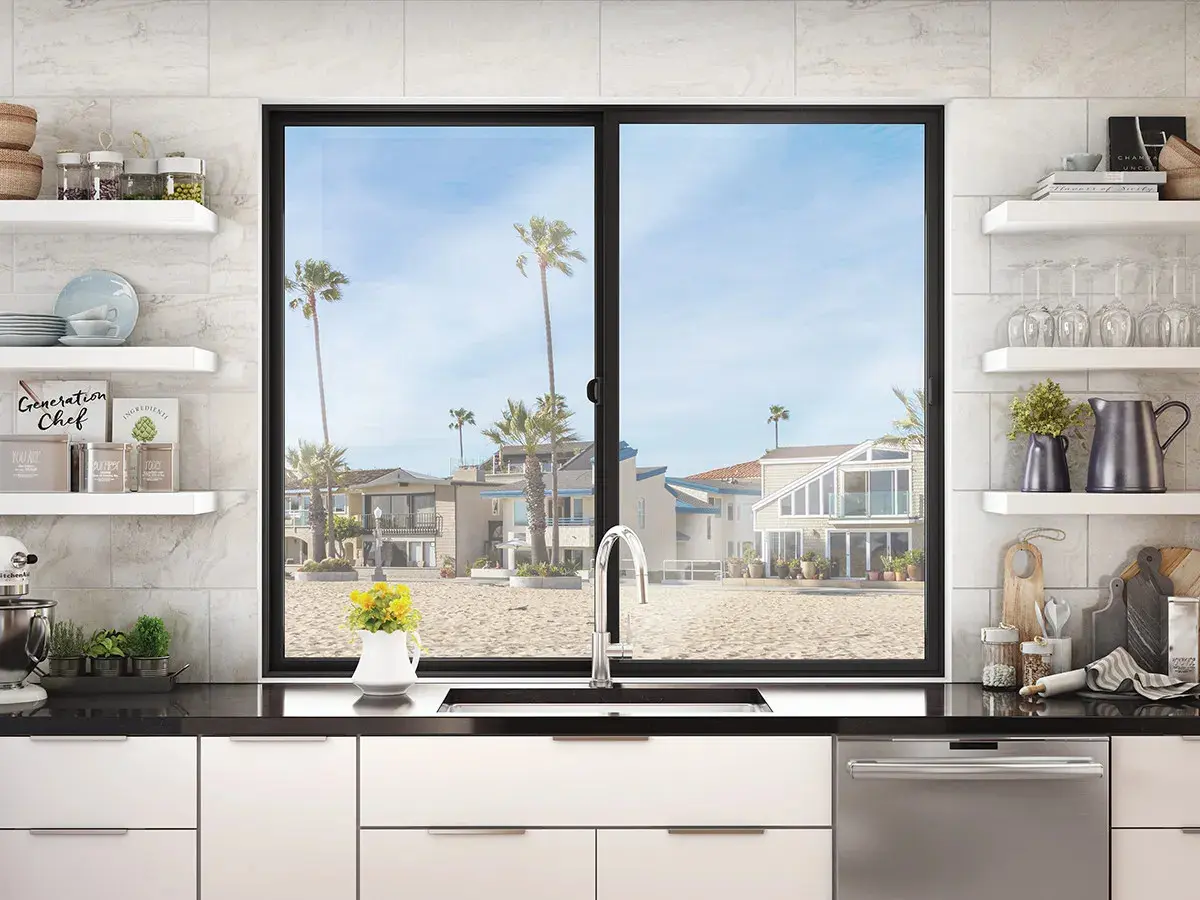
Small details in a window decide whether your home stays dry or battles constant mold remediation. Certain features stop moisture before it spreads into drywall or fuels musty odors. When chosen carefully, they protect both comfort and long-term value.
- Low-Emissivity Glass: This coating acts like a shield, bouncing unwanted heat back outside while keeping interior glass closer to room temperature. The steadier surface temperature makes it harder for condensation to form, cutting off the dampness that mold spores need to grow.
- Gas-Filled Panes: Argon or krypton gas between panes slows heat transfer and keeps glass surfaces from freezing during San Diego’s marine layer mornings. Less condensation means fewer chances for mildew to stain the frame or spores to spread through vents.
- Moisture-Resistant Frames: Frames built from fiberglass or engineered wood resist swelling and decay. Unlike raw lumber, which soaks up humidity, these materials resist water intrusion and block leaks that often lead to hidden mold damage around sills.
- Sealed Installation: A window only works, as does its seal. Precise installation closes off gaps that let rain creep inside. Without those weak spots, homeowners avoid gradual water damage and the risk of denied insurance claims tied to preventable leaks.
- Built-In Ventilation: Operable designs and added ventilation features allow fresh airflow that dries out damp corners in bathrooms and laundry rooms. By keeping humidity from lingering, these windows help protect against musty smells and recurring indoor mold.
Additional Steps to Reduce Mold Around Windows
Even the best replacement windows need support from good habits. Controlling humidity indoors makes a massive difference in preventing indoor mold. When cooking or showering, run exhaust fans to improve ventilation. On dry days, open windows to let fresh airflow push out dampness. A dehumidifier also helps when air conditioning alone cannot keep levels below 50%. By wiping away condensation quickly, you stop water from seeping into wood or drywall where spores thrive. Regular cleaning removes organic matter before it feeds mold, protecting indoor air quality and your family’s health.
Outdoor maintenance plays an equally important role. By clearing roof gutters regularly, you can prevent rain from pooling and creating hidden leaks. During routine inspections, look for plumbing issues near a kitchen sink, bathroom shower, or laundry room, since even a small drip can lead to costly water damage. When repainting sills with mold-resistant coatings or upgrading window coverings, you strengthen your defenses against infestation. In the long run, these preventive measures reduce the need for expensive mold remediation and protect your investment against the unique risks of San Diego’s coastal climate.
Fight Coastal Moisture Damage with US Window & Door

San Diego’s coast delivers beauty but exposes homes to moisture that can spark mold or lead to costly water damage. US Window & Door provides solutions built for this environment. Our professionals understand the pressure the marine layer creates and how it pushes damp air into aging frames. With decades of proven work across San Diego, we know how to fit replacement windows that keep interiors dry and stable. Homeowners choose us for reliable results and lasting value. Schedule a free consultation today and request a free estimate to see how our expertise protects your home.
.jpg)